At a glance
Garden birds are one of the most rewarding forms of wildlife to encourage into a UK garden. They are visible, active throughout the day, easy to identify and genuinely useful – a garden regularly visited by bluetits, great tits and sparrows will have significantly lower caterpillar and aphid populations than one without. The practical and the pleasurable align here: attracting birds makes your garden look and feel more alive while also doing meaningful work controlling the pests that damage plants.
Most UK garden birds are not difficult to attract. The species most commonly seen – robins, blue tits, great tits, sparrows, starlings, blackbirds and chaffinches – are adaptable, unfussy and will respond quickly to even basic food and shelter provision. A feeder, a water source and a few well-chosen plants will bring birds into almost any garden within days. The challenge is sustaining that presence through all four seasons rather than just through winter, which is what this guide covers in full.
Why Attract Birds to Your Garden
Beyond the obvious pleasure of watching birds, their presence provides real practical benefits. Bluetits and great tits are significant consumers of caterpillars and aphids – a pair feeding young can remove hundreds of insect pests from nearby plants every day during the breeding season. Thrushes and blackbirds eat slugs, snails and earthworms, helping to manage pest populations that would otherwise damage vegetable crops and ornamental plants. Encouraging birds is one of the most effective forms of natural pest control available to a UK gardener, and it costs less than any pesticide and leaves no residue.
There is also the conservation argument. The UK has seen significant declines in many common garden bird species over the past three decades. House sparrow populations have fallen by over 70% since the 1970s. Starling numbers have dropped dramatically across much of the country. Garden habitats – particularly gardens with diverse planting, food sources and nesting opportunities – play a meaningful role in supporting these species at a population level. What you do in your garden genuinely matters beyond your own boundary.
Food and Feeders
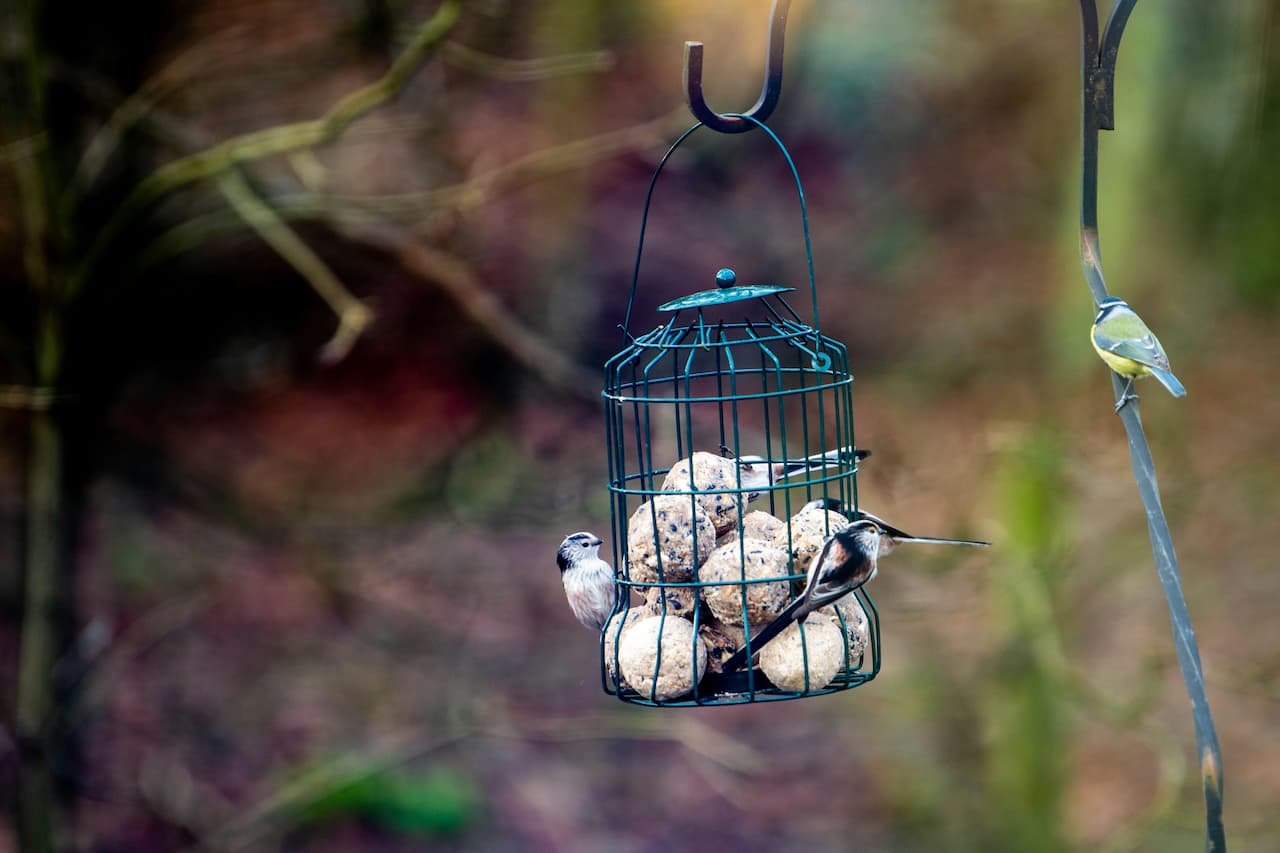
Food is the fastest way to attract birds and the most immediately rewarding. A well-stocked feeder in the right position will have visitors within days in most UK gardens. The key is offering the right food for the species you want to attract, keeping it fresh and positioning feeders where birds feel safe. Feeder position matters as much as the food inside it – place feeders where birds can see approaching predators, ideally 2 metres from a shrub that provides quick escape cover but not so close that cats can use it as a launching pad. Clean feeders thoroughly every two weeks with a mild disinfectant solution.
Sunflower hearts are the single best investment for garden bird feeding. They attract the widest range of species, produce no waste husks to clear up and are taken enthusiastically by almost every seed-eating garden bird. If you only buy one food, make it sunflower hearts. Nyjer seed, by contrast, attracts fewer species but is the specific food that brings goldfinches reliably – worth adding as a second feeder if goldfinches are your target.
Water – Often Overlooked
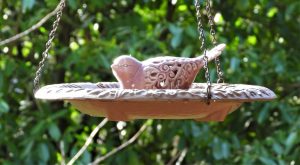
A reliable water source is often more valuable to garden birds than food, particularly during dry summers and hard frosts when natural water sources dry up or freeze. Birds need water for both drinking and bathing – bathing is not a luxury but a necessity for maintaining feather condition and insulation. A bird with dirty, matted feathers cannot fly or regulate its body temperature effectively. A clean, shallow bird bath accessible year-round is as important as any feeder.
A simple shallow dish or bird bath placed in an open position where birds can see approaching predators is all that is needed. Keep it clean – change the water every two to three days and scrub the basin weekly to prevent algae and disease. In winter, float a small ball in the water to prevent freezing, or pour warm (not boiling) water in each morning to break any ice. Never use antifreeze or salt to prevent freezing – both are toxic to birds and will kill them if ingested.
Shelter and Nesting Boxes
Birds need shelter for roosting overnight, escaping bad weather and raising young. Dense shrubs and hedges provide the most valuable natural shelter – a mature hawthorn or holly hedge offers both food and nesting sites in a single plant. If your garden is open or newly planted, nesting boxes provide an important substitute while natural shelter matures over the first few years. The hole size on a nesting box is the critical specification that determines which species will use it.
Do not check or disturb nest boxes during the nesting season (March to August). Disturbing an active nest is illegal under the Wildlife and Countryside Act 1981. If a box has birds in it, leave it completely alone until the young have fledged. Only clean and inspect boxes between September and February when boxes are empty.
Best Plants for Garden Birds
Plants that provide food – berries, seeds and insects – are the most valuable long-term investment for attracting birds. Native plants generally support far more insect life than exotic ornamentals, and insects are the primary food source for most garden birds during the breeding season when they are feeding young. Leaving seed heads standing through autumn and winter rather than cutting plants back is one of the most effective things you can do for seed-eating birds – this is the same principle behind leaving the heads on sunflowers grown in your garden, where standing heads provide weeks of food for finches at no extra effort.
Seasonal Bird Care Calendar
Bird needs change significantly through the year. Feeding year-round is now recommended by ornithologists – the idea that summer feeding makes birds lazy or dependent is a myth. Summer feeding actually helps birds recover condition after breeding and supports young birds learning to find food independently. The key actions differ by season, and knowing what matters most when prevents effort being wasted on low-priority activities.
Common Mistakes to Avoid
A few straightforward mistakes account for most situations where garden bird feeding does not work as expected. Using cheap mixed seed is the most common – budget mixed bags typically contain wheat, oats and milo that most UK garden birds simply discard onto the ground where it rots and attracts rats. Sunflower hearts, nyjer and suet cost more per kilogram but produce far less waste and attract a much wider range of species. The money saved on cheap seed is more than offset by the waste produced and the pests attracted.
Letting feeders go empty is another issue. Birds that establish a reliable feeding routine will move on if they find an empty feeder repeatedly – particularly in winter when energy conservation is critical and they cannot afford to waste foraging trips. Top up feeders every one to two days during cold weather. Dirty feeders spread disease and will cause birds to avoid them over time – two minutes cleaning a feeder each week makes a significant difference to how many birds use it. Finally, pesticide use significantly reduces the insect life that birds depend on during the breeding season, particularly for feeding young. Avoiding or reducing pesticides and herbicides connects directly to the broader approach to insect-friendly gardening covered in our guide to attracting butterflies, where the same principles benefit multiple species.
Keep a simple garden bird list. Noting which species visit your garden and when builds a picture of what is working over time. The RSPB Big Garden Birdwatch, held each January, gives you national context for what you are seeing and contributes to genuinely useful conservation data. It takes an hour, costs nothing, and the results are fed directly into long-term population monitoring that helps target conservation effort where it is most needed.
Share on socials: