At a glance
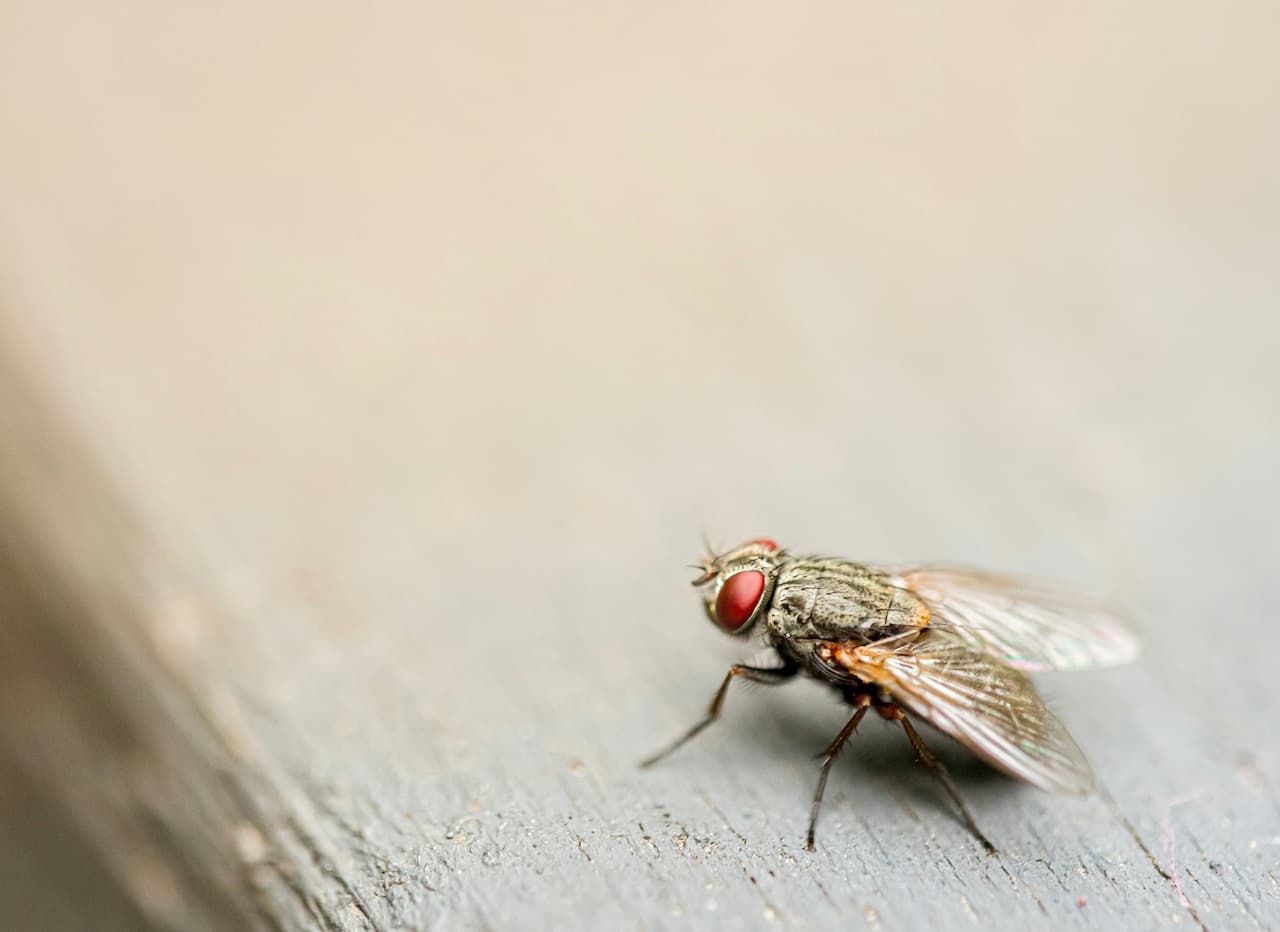
Leatherjackets are the larvae of crane flies – the large daddy-long-legs insects that appear in homes and gardens in late summer. While the adults are harmless, the larvae they leave in the soil are one of the most damaging lawn pests in the UK, feeding on grass roots through autumn and winter and causing patches of dead, yellowing turf that can be pulled up like a mat. They also damage vegetable seedlings and young plants in kitchen gardens and allotments, severing stems at soil level in a way that is initially baffling before the grey-brown grubs are found below the surface.
The key to controlling leatherjackets effectively is timing. Nematode biological control – the most effective treatment available – must be applied in late summer or early autumn when the grubs are small, newly hatched and vulnerable. Treatment outside this window is significantly less effective, which is why understanding the pest’s lifecycle is essential to getting control right. The same principle of timing-dependent nematode treatment applies to vine weevil control, where correct application timing similarly determines whether treatment works.
Identifying Leatherjackets
Leatherjacket grubs are grey-brown, legless and roughly cylindrical, with a tough leathery skin that gives them their common name. They range from 2-3cm long when young to up to 4-5cm when fully grown in spring. They have no obvious head capsule – the dark end of the grub is the rear rather than the head. Found in the soil at or just below the surface, they are often curled loosely rather than in the tight C-shape of chafer grubs. Distinguishing leatherjackets from chafer grubs is important for choosing the right treatment – chafer grubs are creamy-white, distinctly C-shaped, with visible legs and a brown head capsule, and require a different nematode species entirely.
A useful identification test is the black plastic sheet method. Lay a sheet of black polythene over the affected lawn area overnight. Leatherjackets migrate to the surface in the warmth and darkness beneath the sheet, and lifting it in the morning reveals the grubs clearly on the surface or just below it. More than five to ten grubs per square metre indicates a damaging infestation that warrants treatment. In a heavily infested lawn, the sheet method can reveal dozens of grubs and gives a clear picture of the scale of the problem before deciding on a course of action.
Signs of Leatherjacket Damage
The Crane Fly Lifecycle
Adult crane flies (daddy-long-legs) emerge from the soil in late August and September, mate and lay their eggs in lawns and grassed areas within a few days. The eggs hatch within two weeks into tiny grubs that begin feeding on grass roots immediately. Through autumn the grubs grow rapidly, reaching their most damaging size by late autumn and early winter. They overwinter as large grubs deep in the soil, returning to the surface to feed again in early spring before pupating and emerging as adult crane flies the following August.
This lifecycle explains both why leatherjacket damage is worst in autumn and winter – when the largest grubs are feeding most actively close to the surface – and why nematode treatment applied in August and September is so much more effective than treatment applied later. Small grubs are vulnerable to nematode attack. Large overwintered grubs are increasingly resistant as they grow and their skin thickens through the winter months.
Nematode Biological Control
The nematode Steinernema feltiae is the biological control agent for leatherjackets. Sold as Nemasys Leatherjacket Killer and similar products, it is applied as a drench to moist soil in the treatment window of August to October. The microscopic worms seek out the grubs, enter them and release bacteria that kill the host within a few days. Results are typically a 70-80% reduction in leatherjacket numbers, which significantly reduces damage even if it does not eliminate the population entirely. The nematodes are harmless to children, pets, earthworms and all other garden wildlife – they are entirely specific to the target pest group.
Apply nematodes when you see the first crane flies of the season. Adult crane fly activity in late August signals that eggs are being laid and grubs will hatch within two weeks. This is the moment to order nematodes – they will arrive in time to apply them to newly hatched, maximally vulnerable grubs. Waiting until damage is visible in the lawn means the grubs are already large and nematodes are far less effective.
Physical Controls
Encouraging natural predators is the most sustainable long-term approach to leatherjacket management. Starlings, rooks, jackdaws and blackbirds actively seek out and eat leatherjackets, and a garden that provides habitat and food sources for these birds benefits from significant natural pest control through the season. The bird activity on a leatherjacket-infested lawn – birds probing and pulling up turf – is destructive in appearance but beneficial in effect, as the birds are removing substantial numbers of grubs with each visit.
Disturbing the soil through digging in autumn exposes grubs to bird predation and frost, reducing populations without any chemical input. In vegetable beds and allotments, autumn digging that turns over the soil and leaves it rough over winter results in birds removing significant numbers of exposed grubs. This is one of the traditional benefits of autumn digging that is often overlooked in discussions of minimum-till growing – on leatherjacket-prone sites, cultivation genuinely reduces pest pressure in a way that no-dig cannot replicate without nematode treatment as a substitute. The two approaches – digging and nematodes – are complementary rather than alternatives, and combining both gives the best results on heavily infested plots.
Repairing Leatherjacket Lawn Damage
Once leatherjackets are controlled or have pupated in spring, damaged lawn areas need reseeding to recover. Rake out the dead turf, loosen the soil surface lightly with a fork, overseed with a hard-wearing lawn grass mixture and water in. Autumn reseeding after nematode treatment is ideal – soil is still warm enough for germination and autumn rainfall reduces irrigation needs. Avoid foot traffic on reseeded areas for six to eight weeks to allow the new seedlings to establish a root system strong enough to withstand use.
Apply an autumn lawn fertiliser to encourage recovery growth and root development before winter. A high-phosphorus formulation supports root development specifically, which is more important than leaf growth at this stage. The damaged areas typically recover fully within one growing season if treated and reseeded promptly. Delaying repair until spring is sometimes necessary if damage is only identified in winter, but autumn repair produces better results when the timing allows it.
Protecting Vegetable Plots
Share on socials: