At a glance
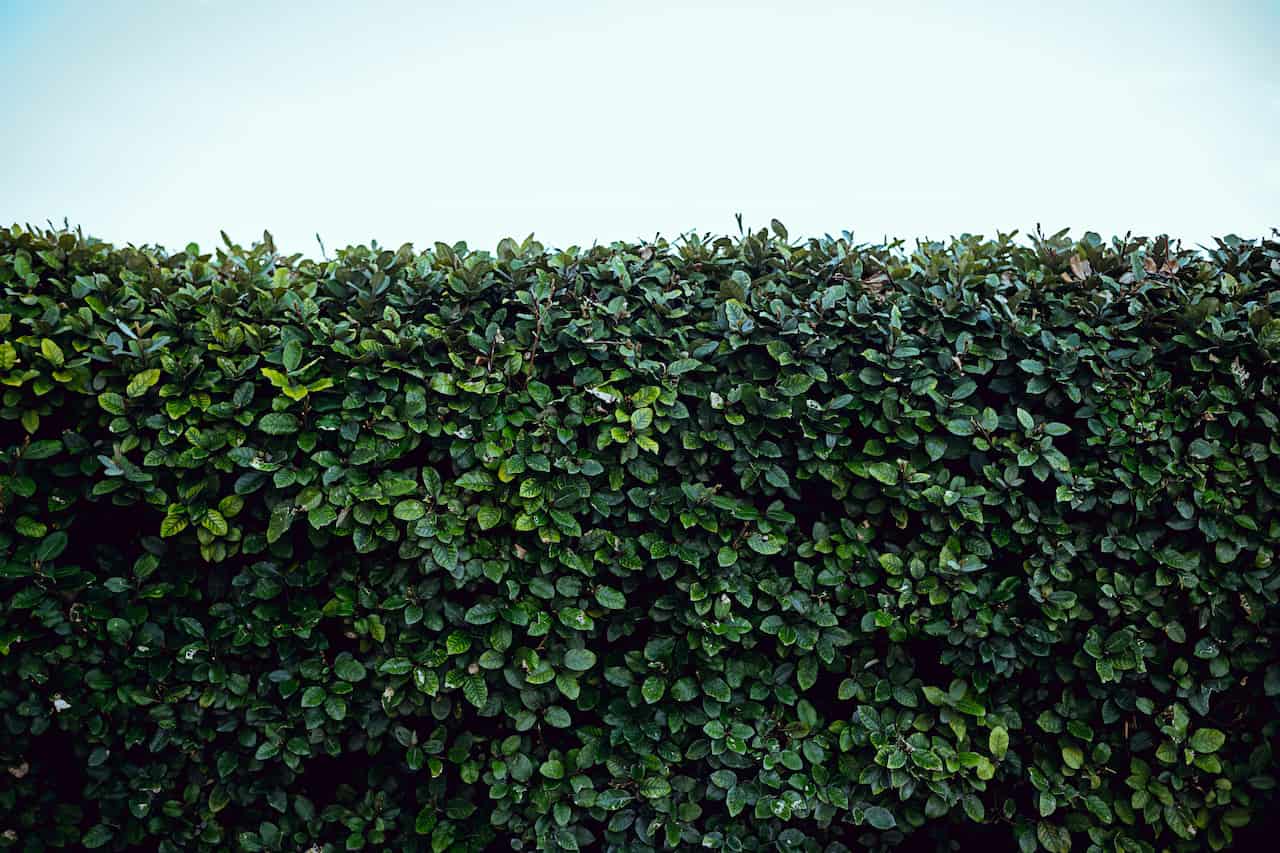
A native hedge is the single most productive wildlife habitat investment available to a UK gardener with a boundary to plant. A mature mixed native hedge of hawthorn, blackthorn, field maple, dog rose, hazel and elder supports more species of bird, insect, mammal and fungi than any other garden planting type of equivalent size. It provides nesting habitat for birds, foraging for pollinators from early spring through to late autumn, berries and seeds for winter thrushes and other frugivores, shelter and hibernation sites for hedgehogs, and a wildlife corridor connecting gardens across a neighbourhood. Nothing else you can plant along a garden boundary comes close to the ecological value of a well-established mixed native hedge.
The practical advantages are equally compelling. A native hedge is cheaper than fencing, self-repairing, improves with age rather than deteriorating, provides more effective wind and noise filtration than a solid fence, and once established requires only one cut per year to remain dense and well-managed. The bare-root plants that make up a native hedge cost a fraction of the price of pot-grown ornamental hedging and are planted in winter when the garden is quietest. For a gardener replacing a tired fence or establishing a new boundary, a native hedge planted correctly is in almost every respect the better choice.
Why native hedges outperform ornamental ones
The ecological difference between a native and ornamental hedge comes down to co-evolution. Native species like hawthorn and blackthorn have co-evolved with British wildlife over thousands of years. The insects that feed on hawthorn leaves, the birds that nest in its thorny branches and feed on its berries in autumn, the fungi that colonise its roots – all of these relationships have developed over millennia and are specific to native species. A non-native ornamental hedge, however densely planted and well-managed, simply does not have those ecological relationships. Leylandii, photinia and other popular ornamentals support a tiny fraction of the insect life of a native hedge because the insects that feed on native plants have not adapted to feed on introduced species.
Best native hedging species
For a typical UK garden hedge, a planting mix of 50-60% hawthorn as the structural backbone, with the remaining percentage split between blackthorn, field maple, hazel, dog rose and elder, gives the best balance of density, wildlife value and seasonal interest. Hawthorn is non-negotiable – it supports more insect species than any other native hedging plant and its thorny structure provides the best nest protection for small birds like dunnocks, wrens and song thrushes. Blackthorn flowers three to four weeks before hawthorn in early spring, providing a critical early nectar source for bumblebee queens emerging from hibernation when little else is in flower.
Planting and establishment
Managing for maximum wildlife value
The wildlife value of a native hedge compounds over time in a way that makes the initial investment increasingly worthwhile. In year three a young hedge will begin to produce its first meaningful flower and berry crop. By year seven it will be dense enough to support nesting birds. By year fifteen a well-managed mixed native hedge is an established ecological feature – supporting insects, birds and mammals across every season, filtering wind and noise, providing structure and privacy, and improving in all these respects with every year that passes. No garden fence achieves any of this, and none ever will.
The single most valuable management decision for a wildlife hedge is to cut it on an alternating cycle rather than all at once. Cutting one face of the hedge one year and the opposite face the following year means there is always a side with developing flower buds, uncut berries and undisturbed structure. An A-shaped or slightly sloping profile – wider at the base than the top – ensures light reaches the lower branches and prevents the base of the hedge becoming bare and woody over time. A bare-based hedge provides far less nesting and sheltering habitat than one that is dense to the ground.
Never cut a native hedge between March and August. Birds nesting in garden hedges are protected under the Wildlife and Countryside Act 1981 and deliberately disturbing an active nest is a criminal offence. The practical rule is straightforward: no hedge cutting from March to the end of July, and check for late nests before cutting in August. A blackbird or dunnock nest in a hawthorn hedge is a sign the planting is working exactly as intended – protect it accordingly.
Share on socials: