At a glance
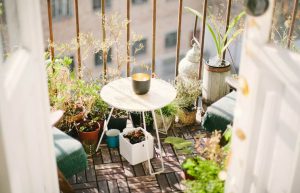
Grow bags are one of the most practical solutions for anyone who wants to grow food but has no open ground to work with. A standard 40-litre bag placed on a paved patio, a balcony, a doorstep or a flat roof turns any hard surface into productive growing space with no digging, no soil preparation and no permanent commitment. The compost inside is fresh and free-draining, the format is compact and portable, and the results – particularly with tomatoes, peppers and salad crops – can be genuinely impressive even from the smallest urban space. The approach requires almost no equipment to get started, and the main variable that determines success is not which bag you buy but how consistently you manage the watering.
Grow bags do have real limitations that are worth understanding before you commit to them as your main growing method. The shallow compost depth – typically no more than 20-25 centimetres in a standard flat bag – restricts the root run of large plants and means that moisture and nutrient reserves are limited compared to a deep raised bed or a large container. This is manageable with diligent watering and regular feeding, but it is not forgiving of neglect. A grow bag that dries out completely in a July heatwave may lose its crop within 24 hours. The payoff for that attentiveness is clean, productive growing from a surface that would otherwise be entirely unproductive.
Best crops for grow bags
Tomatoes are the classic grow bag crop for good reason – they are hungry, thirsty plants that benefit from the fresh compost in a new bag, they perform well in the warm conditions of a south-facing patio, and the compact root space of a grow bag is adequate for most cordon and bush varieties. Two cordon tomatoes or three bush tomatoes fit comfortably in a standard 40-litre bag. Peppers and aubergines grow well under the same conditions and in similar quantities. Cucumbers perform excellently in grow bags but need a support frame as they are climbing plants – a cane wigwam or trellis against a sunny wall works well.
Courgettes are productive in grow bags, though their vigorous growth means one plant per bag maximum. Salad crops, spinach, radishes and spring onions are highly productive in grow bags used for a quick early crop before the main summer plantings – sow thickly in March to April, harvest as cut-and-come-again, then replant with tomatoes in May. Strawberries are excellent in grow bags, producing clean, slug-free fruit from a patio position. Herbs – basil, parsley, chives, coriander – are useful in a smaller secondary bag near the kitchen door, where they can be snipped daily without making a trip to the garden.
Setting up a grow bag correctly
Before cutting into a new grow bag, knead and shake it thoroughly to break up any compacted compost inside – bags often sit compressed on the pallet and the compost needs loosening to drain and aerate properly. Lay the bag flat in its final position before making any cuts. Moving a prepared grow bag with open planting holes is awkward and can cause compost to spill, so get the positioning right first. The surface underneath matters – place bags on hard paving, concrete or decking where drainage can run freely and the bag is not in contact with soil, which can harbour slugs sheltering underneath and accessing the crop from the drainage points.
Cut the planting holes following the perforated guide marks most bags include – typically three large squares or circles for tomatoes and similar crops. Do not cut the entire top off the bag, which removes the structural support that keeps the compost at a useful depth and allows it to dry out rapidly across the whole surface. For salad crops sown thickly, cut three-quarters of the top surface away rather than individual holes. Drainage holes on the underside are often absent from standard grow bags to prevent water loss. In wet conditions or under glass, pierce the sides low down rather than the base – this allows excess water to drain at a higher level, preventing complete waterlogging without draining the bag dry.
Use a grow bag frame or trough for better results. A grow bag support frame – a rigid plastic or metal tray designed to hold the bag upright with deeper compost depth – significantly improves performance over a flat bag. The increased depth gives roots more room and the bag retains water more evenly. Alternatively, place the bag inside a large plastic storage box with drainage holes, effectively creating a deep container with the grow bag compost as the growing medium. Either approach reduces the frequency of watering needed and reduces the risk of the compost drying out completely in hot weather.
Watering grow bags
Consistent watering is the single most critical factor in grow bag success. The shallow depth of a standard bag means it dries out rapidly in warm weather – a tomato plant in full growth in a sunny July will draw a standard bag almost dry within 24 hours. Water daily as a minimum in summer, twice daily in very hot periods, checking by pushing a finger into the compost rather than relying on surface appearance. The surface can look dry while the centre still has moisture, but the reverse is also true – a crust of dry compost on top can conceal damp conditions below that will cause root disease if overwatering continues.
The worst mistake with grow bags is allowing the compost to dry out completely. Dry compost shrinks away from the bag sides and becomes hydrophobic – it repels water rather than absorbing it, so subsequent watering runs straight down the gap between the compost block and the bag rather than wetting the root zone. If a bag has dried out badly, water very slowly multiple times in succession over an hour, or immerse the bag in a tray of water and allow it to absorb from the base. Prevention is always simpler than recovery. Automated drip irrigation systems using a timer and a simple drip line per bag are highly effective for gardeners who travel or who have large numbers of bags to maintain – the incremental cost is modest and the improvement in crop reliability is significant.
Feeding for maximum yield
Standard grow bag compost contains enough nutrients for approximately six weeks of growth. After that, liquid feeding is essential for continued productivity and the difference between a fed and an unfed grow bag crop is dramatic – unfed tomatoes will set a small number of fruit and then stall, while correctly fed plants continue to produce through to October in a good year. The correct feed for fruiting crops – tomatoes, peppers, courgettes, cucumbers – is a high-potash liquid fertiliser applied at the manufacturer’s recommended rate once the first flowers appear.
Before flowering, a balanced nitrogen-rich feed promotes leafy growth, but once flowers form the emphasis switches to potash for fruit set and development. This transition is the single most important feeding decision with grow bag crops – continuing with a nitrogen-dominant feed after flowering begins is a common mistake that produces lush green plants with disappointingly few fruits. Feed once weekly as a minimum in the pre-fruiting period; twice weekly in a warm summer with heavy fruiting increases yield noticeably and maintains plant health through what is a nutritionally demanding period.
Reusing grow bags
Used grow bag compost is spent for the demanding crops it was intended for, but is not without value. The best use is as a soil improver incorporated into raised beds or garden borders at the end of the season, where its remaining organic matter and trace elements continue to benefit the soil structure even though the nutrient concentration is no longer adequate for heavy-feeding crops. The spent compost breaks down relatively quickly once worked into existing soil and adds useful organic bulk to light sandy soils particularly.
Do not reuse bags for tomatoes in the following season – tomato blight spores (Phytophthora infestans) persist in used compost and will infect new plants from the point of planting. This is not a risk that improves with time, and the temptation to save money by reusing last year’s bag for this year’s tomatoes is not worth taking. Salad leaves, herbs and flowers can be grown in lightly refreshed second-year bags – mix in a bag of new multi-purpose compost and a handful of slow-release fertiliser to restore sufficient nutrients for less demanding crops. Potato grow bags – the smaller fabric bags used for growing early potatoes – can similarly be refreshed with new compost between seasons for a second or third year of potato production before the compost structure breaks down too far to be useful.
Never reuse grow bags for tomatoes, peppers or aubergines in consecutive seasons. Soil-borne diseases including blight, Fusarium wilt and root rot build up in used growing media and will devastate the following year’s crop. The saving of a few pounds on new compost is not worth the loss of an entire season’s worth of plants. The rule applies to any member of the Solanaceae family – peppers and aubergines carry the same disease risk as tomatoes and should always go into fresh compost.
Share on socials: