At a glance
Container gardening is the most accessible form of gardening available in the UK. It requires no garden – a doorstep, balcony, windowsill or paved yard is enough to get started. It requires no digging, no knowledge of soil types and no significant investment to begin. A single large pot, a bag of compost and a few plants is enough to produce herbs for the kitchen, flowers for a table or tomatoes for a salad all summer long. The barrier to entry is lower than almost any other form of productive growing, which makes it the natural starting point for anyone who wants to grow plants but lacks the space or confidence to tackle an open garden or allotment plot.
The principles that make containers work well are simple but specific, and getting them right makes the difference between thriving plants and a frustrating cycle of wilting and death. Watering is the most critical skill – containers dry out far faster than open ground and the consequences of getting it wrong are swift. But once you understand the rhythm of container care it becomes almost automatic, and the feedback that containers give you about what plants need is faster and clearer than anything open-ground gardening teaches. This guide covers everything a complete beginner needs to grow plants in containers successfully in the UK climate.
Why Container Gardening Works
Containers give you control that open-ground gardening cannot. You choose the compost – which means you can grow acid-loving plants like blueberries in ericaceous compost even if your garden soil is alkaline. You control the drainage, the fertility, the position. You can move plants to follow the sun, bring tender plants inside for winter, or rearrange the display for any occasion. Containers are gardening on your terms rather than on the ground’s terms, and for anyone starting out without an established garden, that flexibility is genuinely valuable.
For renters, container gardening is the only realistic option for creating a garden that moves with you. A collection of well-planted containers can transform a bare paved yard into something genuinely attractive and productive. The investment is in the plants and pots, not in the ground. The flexibility that containers provide makes them worth understanding properly – and the same principles that make a single pot thrive on a windowsill scale up to a productive patio garden with dozens of containers in multiple seasons.
Choosing the Right Pots
The most important rule about pots is that bigger is almost always better. Small pots dry out faster, restrict root development and produce weaker plants than larger pots of the same type. The minimum useful size for most plants – herbs, bedding flowers, small shrubs – is 30cm diameter. For tomatoes, courgettes or any larger edible plant, 40-50cm is the practical minimum. The beginner’s impulse to start with small pots to save money usually results in more frequent watering, more plant failures and more frustration than simply buying larger pots from the start.
Drainage holes are non-negotiable. A pot without drainage holes will waterlog and kill most plants within weeks. If you fall in love with a decorative pot that has no holes, use it as an outer sleeve for a plain pot with drainage inside it. Never fill the bottom of a pot with crocks or gravel to “improve drainage” – this is a persistent myth that actually worsens drainage by creating a perched water table at the boundary between the gravel and compost. Fill with compost from the bottom and let water drain freely through the holes directly.
Compost and Drainage
The right compost makes a significant difference to how well container plants perform. General peat-free multipurpose compost works well for most plants but becomes compacted and loses structure quickly – particularly in larger pots that are not repotted frequently. Adding 20-30% perlite or horticultural grit to standard compost improves drainage and aeration, keeps the compost open for longer and reduces the risk of waterlogging through a long UK winter where pots may sit wet for weeks.
Watering – the Most Critical Skill
Watering is where most beginner container gardeners go wrong – both in frequency and technique. The single most useful habit is checking the compost before watering rather than watering on a fixed schedule. Push a finger 2-3cm into the compost – if it feels moist, wait. If it feels dry, water thoroughly until it drains freely from the bottom. This finger test takes two seconds and is more reliable than any timer, app or fixed watering programme. The UK climate is variable enough that a fixed daily schedule gets it wrong in both directions – overwatering in cool wet spells, underwatering during hot dry periods.
When you water, water thoroughly. A small splash on the surface does more harm than good – it moistens only the top layer of compost while the roots further down remain dry, and encourages surface rooting rather than the deeper, drought-resistant root system that thorough watering develops. Water until you see it flowing freely from the drainage holes, ensuring the entire root zone receives moisture and flushing any salt buildup from fertiliser applications in the process. In the UK summer during hot or dry weather, containers typically need watering once a day – sometimes twice for small pots or thirsty plants like tomatoes.
Overwatering kills more container plants than underwatering. A wilting plant could be too dry or too wet – the symptoms look similar. Always check the compost before assuming a wilting plant needs water. If the compost is already wet and the plant is wilting, overwatering and root rot is the likely cause, and adding more water will make it worse. Remove the pot from any standing water immediately and allow it to drain before assessing recovery.
Feeding Container Plants
Unlike open-ground plants that can access nutrients across a large soil area, container plants are entirely dependent on what you provide. The compost nutrients are exhausted within six to eight weeks of planting – after that, regular feeding is essential for continued good growth and flowering. Most beginner gardeners either do not feed at all or feed inconsistently, which results in plants that start well and then gradually decline through the season as the initial compost nutrients run out.
A general liquid fertiliser applied weekly from May to September keeps most container plants in good condition. For flowering plants and fruiting crops, switch to a high-potash feed once plants start to flower – potassium promotes flower and fruit production and is more important at this stage than the nitrogen that promotes leafy growth. Slow-release fertiliser granules mixed into the compost at planting provide a background level of nutrition and reduce the need for frequent liquid feeding, but should not replace liquid feeding entirely for hungry or long-season plants.
Best Plants for Containers
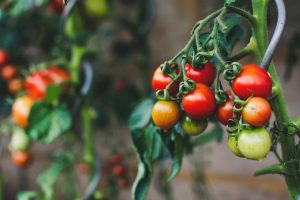
Almost any plant can be grown in a container given a large enough pot, but some are better suited to container life than others. The best container plants are those that are productive or attractive over a long season, stay within manageable dimensions and tolerate the fluctuating moisture levels that container growing inevitably involves. For food growing, herbs are the most productive container plants available – a 30cm pot of mixed herbs supplies a kitchen all season from minimal compost and attention.
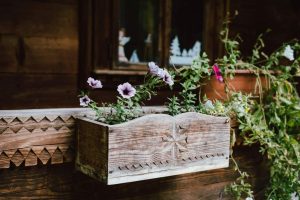
Salad leaves can be cut repeatedly from a single sowing in a window box or trough – this cut-and-come-again method is one of the most productive uses of limited container space. Strawberries in hanging baskets or dedicated strawberry planters produce well and the elevated position deters some slug damage that ground-level planting suffers from. For ornamentals, Agapanthus, Hydrangea, Phormium and ornamental grasses all perform reliably in large containers and provide interest across multiple seasons.
Common Beginner Mistakes
The most common mistake is choosing pots that are too small. This single decision leads to more container gardening failures than any other – plants become rootbound, dry out constantly and cannot develop to their potential. Buy the largest pot you can accommodate and your success rate will improve immediately. The second most common failure is not feeding after the first few weeks. Once the initial compost nutrients are depleted – usually by late June or July – unfed plants stop growing, lose colour and produce fewer flowers or fruits.
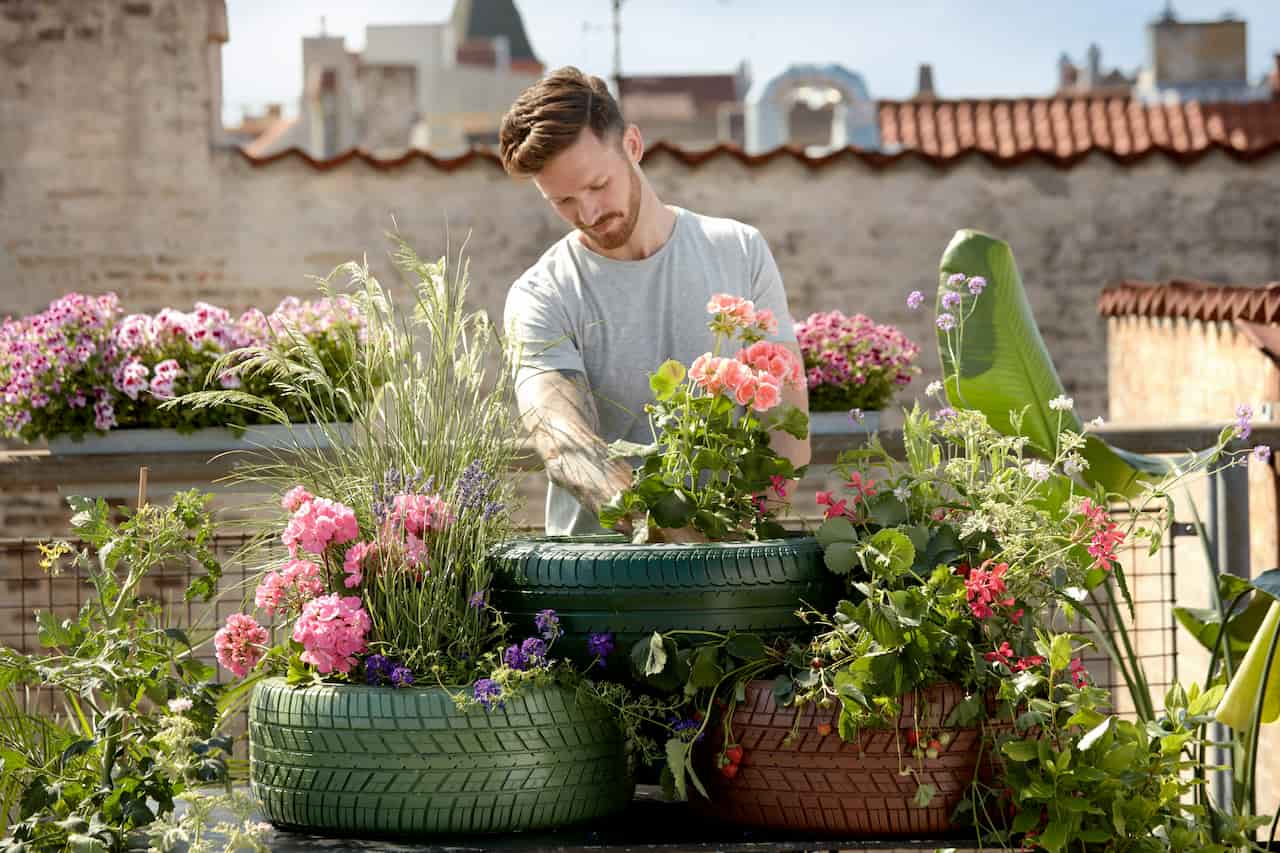
Group containers together for easier care and better results. Containers grouped together create a more humid microclimate around the plants, reduce moisture loss from individual pots, look more intentional as a display and make watering more efficient. A collection of five pots grouped together on a patio is easier to care for and more visually effective than the same five pots spread individually around the garden. Taller plants placed at the rear and trailing plants at the front of a group creates the layered effect that makes container displays look considered rather than incidental.
Share on socials: