At a glance
Marjoram is one of the most fragrant and versatile herbs you can grow in a UK garden, and one that is significantly underused compared to the attention given to its more famous relative, oregano. Sweeter and more delicate in flavour than oregano – with a warm, spicy, slightly floral character that deepens beautifully when dried – it works in a wide range of Mediterranean dishes and herb blends where oregano would be too assertive. It is easy to grow from seed, thrives in the sunny, well-drained conditions that most herb gardeners can provide, and produces generous harvests through summer and into autumn.
Understanding which type of marjoram you are growing – and how that affects the care it needs – is the first and most useful piece of knowledge for anyone starting out. Sweet marjoram is the finest culinary variety but the least hardy; pot marjoram is the most practical choice for a permanent UK planting. Both are worth growing, and the distinction between them is not always clearly stated on plant labels, which causes unnecessary confusion and the occasional winter loss of a plant that was more tender than expected.
Types of marjoram – which one to grow
Several plants go by the name marjoram in UK garden centres, herb nurseries and seed catalogues. The main three worth knowing about are sweet marjoram, pot marjoram and golden marjoram. They look superficially similar – small oval aromatic leaves on compact bushy plants – but differ meaningfully in flavour, hardiness and the care they require. Making the right choice at the start avoids the disappointment of losing a plant to a winter it was never going to survive.
Sweet marjoram (Origanum majorana) is the connoisseur’s choice for cooking. Its flavour is sweeter and more delicate than any other member of the Origanum family, with floral notes and a warmth that makes it well suited to delicate dishes – egg-based recipes, cream sauces, light stuffings – where oregano would overpower. The downside is hardiness: sweet marjoram is killed by temperatures much below -2 to -5°C and will not reliably survive a UK winter outdoors in any region other than the most sheltered and frost-free corners of the south-west. Treat it as a half-hardy annual or overwinter container plants indoors.
Pot marjoram (Origanum onites) is the practical choice for UK gardeners who want a permanent, perennial marjoram. It is considerably hardier than sweet marjoram – surviving mild UK winters with minimal protection – and has a good, if slightly stronger, culinary flavour. Golden marjoram (Origanum vulgare ‘Aureum’) is a golden-leaved cultivar of wild marjoram, attractive as an ornamental ground cover at the front of a border, with mild flavour that suits light culinary use but lacks the depth of sweet or pot marjoram. All three are toxic to dogs, cats and horses – worth noting if pets have access to the herb garden.
Sowing and planting
Sweet marjoram is started from seed indoors from March to May. The seeds are very fine and require careful handling. Fill small pots or module trays with moist seed compost, scatter the seeds thinly on the surface, and cover with only the thinnest possible layer of fine compost – no more than a light dusting. The seeds need some light to germinate and thick covering suppresses them. Keep in a warm position at 15-20°C and germination typically occurs within ten to fourteen days, though it can be slower. Seedlings are small and slow-growing initially – do not be tempted to give them more warmth or water than they need, which can cause damping off.
Once seedlings are large enough to handle, prick out individually into small pots and grow on in a bright, warm indoor position. Harden off carefully for a week or two before planting out – marjoram resents sudden cold exposure. Plant out after all frost risk has passed, late May in most of England and Wales, early June in northern regions. Space plants 25-30cm apart. Marjoram grows to 30-60cm tall in good conditions and makes an attractive, compact plant that works particularly well at the front of a raised herb bed or in a container on a sunny patio. Buying young plants from a specialist herb nursery is an easier and more reliable alternative to seed-raising, particularly for named varieties.
Smell before you buy. As with oregano, the aromatic intensity of marjoram plants varies considerably between seed-raised specimens. Rub a leaf between your fingers before buying or planting out. Strong, sweet, spicy scent indicates good culinary flavour. Weak or negligible scent suggests the plant has been selected for appearance rather than flavour and will be disappointing in the kitchen. This is especially relevant when buying unnamed plants from general garden centres rather than specialist herb nurseries.
Growing conditions and seasonal care
Marjoram’s natural habitat is dry, rocky Mediterranean hillsides – poor soil, full sun, excellent drainage, minimal water. The closer you can match those conditions, the better the flavour and the more reliably the plant performs. Rich, moist soil produces lush, weak growth with diluted aromatic oils. Lean, warm, well-drained conditions produce the compact, intensely flavoured plant that justifies growing it in the first place.
Harvesting and using marjoram
The single most important principle for harvesting marjoram is timing relative to flowering. The aromatic volatile oils that give marjoram its distinctive sweet, spicy character are at their highest concentration just before the plant begins to flower. Once flowering begins, the flavour becomes progressively more bitter as the plant’s energy goes into seed production. Pinching out flower buds as they appear – small, rounded and appearing at stem tips – prevents this shift and keeps the plant producing the sweetly flavoured leaves it is grown for.
Marjoram in the kitchen
Marjoram’s sweet, warm, slightly floral flavour sits in a different register from oregano – gentler, more delicate, better suited to dishes where a background herbal note is wanted rather than a dominant one. It is best added towards the end of cooking or used fresh, since prolonged heat diminishes the aromatic compounds that give it character. This is one of the key distinctions from oregano, which holds up well to long cooking and benefits from it.
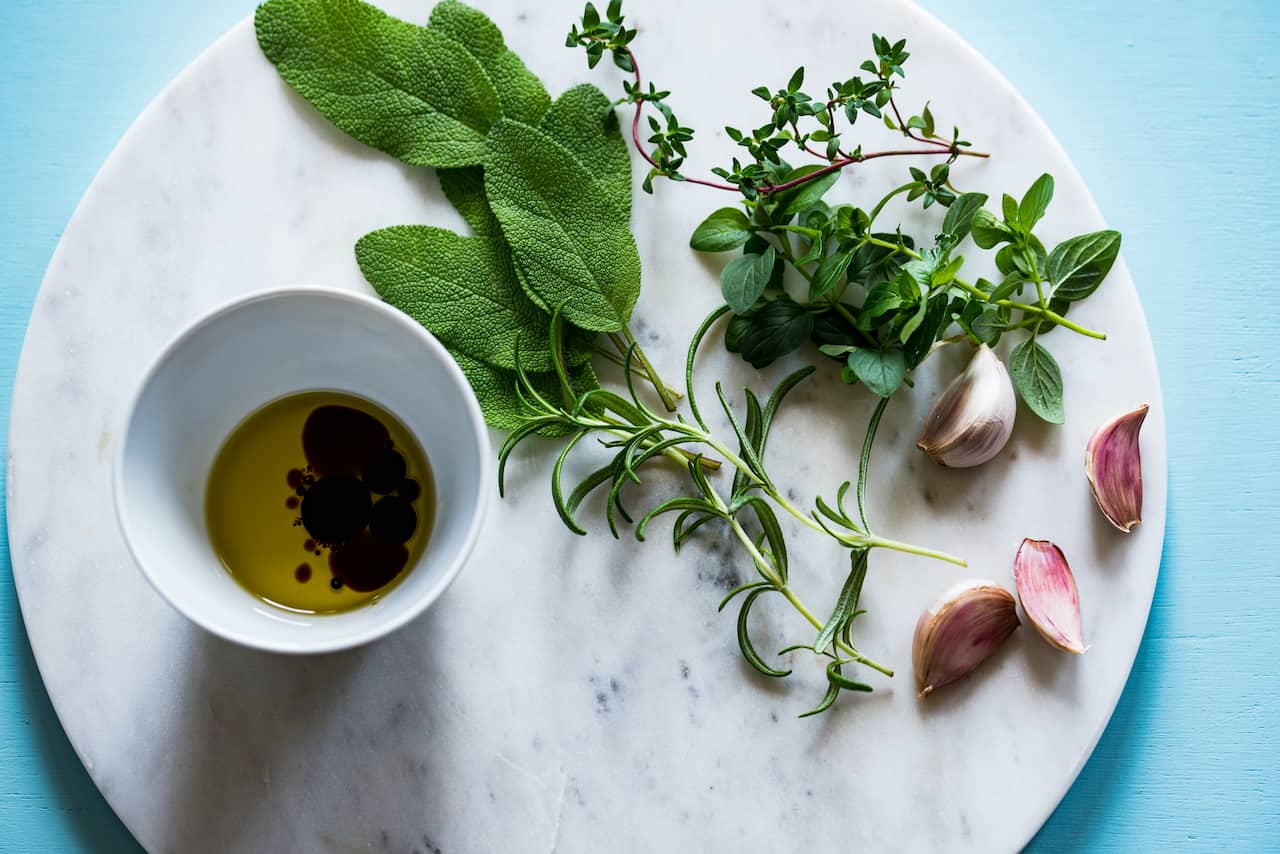
Marjoram is one of the core ingredients of herbes de Provence – the classic southern French dried herb blend used on grilled meats, roasted vegetables and in ratatouille – alongside thyme, rosemary, oregano and savory. It is also a traditional component of bouquet garni, particularly in central European and German cooking where it appears far more often than in British cuisines. In German cooking specifically, marjoram is strongly associated with pork dishes and liver sausage, where its sweet character balances the richness of the meat.
Common problems and pests
Marjoram is generally trouble-free when grown in appropriate conditions. The majority of problems arise from poor site choice – waterlogging and shade – rather than from specific pests or diseases. Understanding the pattern makes management straightforward.
Aphids on marjoram are generally minor and resolve without intervention once beneficial insects arrive in late spring. A jet of water from a hose clears severe infestations without any need for pesticides on a plant intended for consumption. The two problems that genuinely matter – root rot from waterlogging and flavour loss from flowering – are both completely avoidable with correct site choice and regular pinching. Neither requires any product or treatment; they are prevented entirely by growing the plant correctly in the first place.
Share on socials: