At a glance
Japanese knotweed (Fallopia japonica) is one of the most problematic invasive plants in the UK. It can grow up to 20cm per day during the peak growing season, its rhizome root system can extend 3 metres deep and 7 metres laterally from the visible plant, and even a fragment of root or stem as small as 1cm is capable of regenerating into a new plant. It damages building foundations, drains, flood defences and garden structures, and its presence on a property is a material fact that must be disclosed when selling – with serious consequences for mortgage applications and property values.
The difficult reality is that there is no quick fix. Japanese knotweed cannot be permanently eradicated in a single season. Effective treatment requires a committed programme of herbicide application over multiple years, or professional excavation and disposal at significant cost. Understanding the realistic timeframes, the legal obligations around disposal, and the treatment approaches that actually work will save wasted effort and prevent the inadvertent spread that makes a manageable problem into a much larger one.
How to identify Japanese knotweed
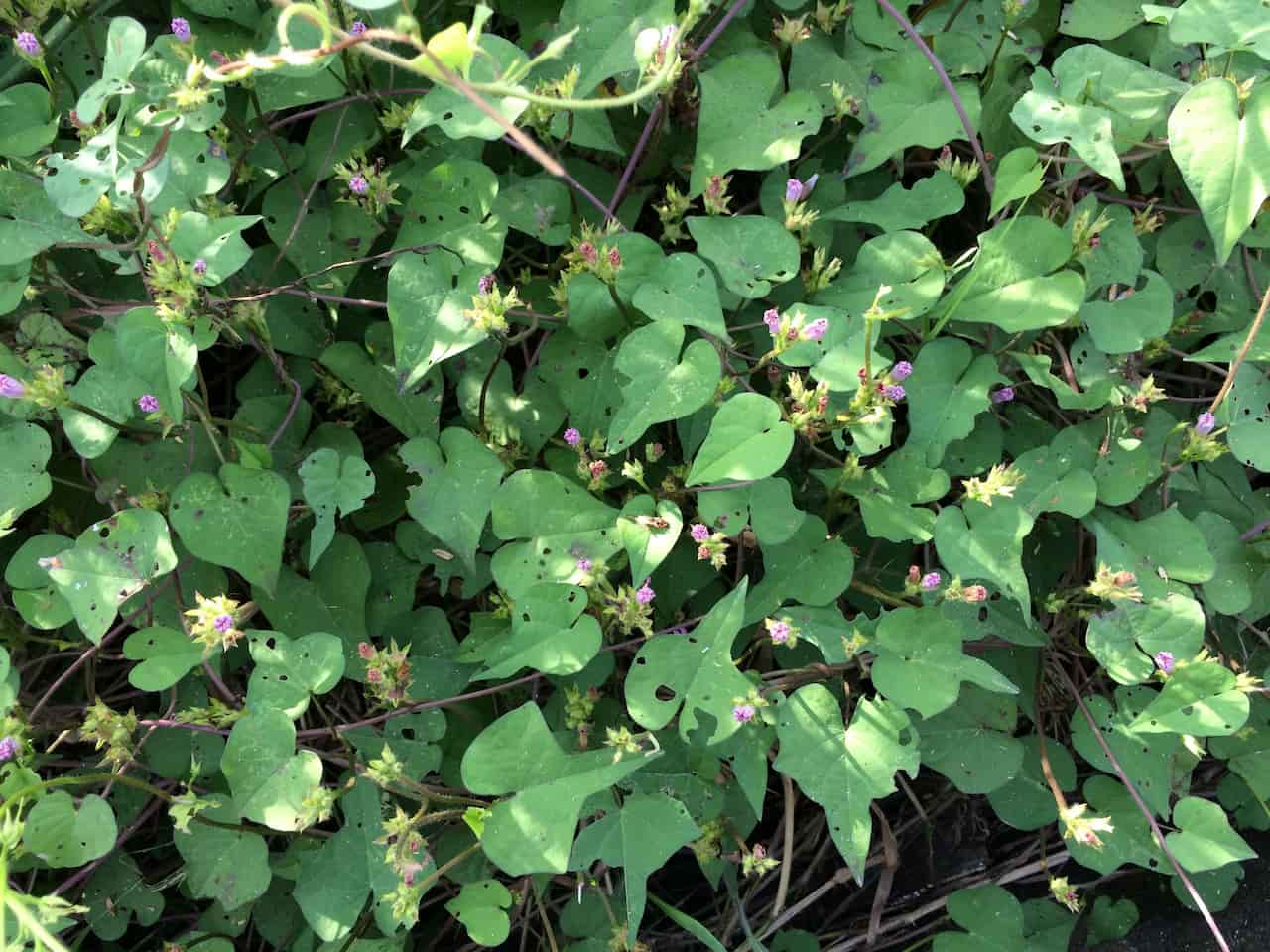
Accurate identification is essential before any treatment begins. Several plants are commonly mistaken for Japanese knotweed, including bindweed, Himalayan balsam, Russian vine and large-leaved docks. Treating the wrong plant wastes time and money; more importantly, confusing a less serious weed with knotweed and subsequently treating it can create confusion with neighbours, mortgage lenders and surveyors. Japanese knotweed has a distinctive profile that changes through the seasons.
If you are unsure, do not dig. Disturbing the rhizome system before identification is confirmed risks spreading fragments across the soil. Have the plant identified first – the Wildlife and Countryside Act 1981 and the Environmental Protection Act 1990 impose legal obligations specifically tied to Japanese knotweed, not to lookalike plants.
Legal obligations
Japanese knotweed is listed under Schedule 9 of the Wildlife and Countryside Act 1981, which makes it an offence to plant or cause it to grow in the wild. This means allowing it to spread from your property onto neighbouring land or into public spaces is a criminal offence, as is disposing of it in a way that allows it to regenerate – including placing it in a standard compost bin, taking it to a household recycling centre in an unsealed bag, or dumping it anywhere other than a licensed landfill site that accepts controlled waste.
Japanese knotweed is classified as controlled waste under the Environmental Protection Act 1990. This means that any soil contaminated with knotweed rhizome, and any cut material from the plant, must be disposed of at a licensed waste facility and transported in a sealed container. A licensed waste carrier must be used to remove contaminated soil from the site. Householders can take small quantities of cut material to a household waste recycling centre that accepts Japanese knotweed – call ahead to check, as not all do – but bulk material and contaminated soil requires a licensed contractor.
For guidance on your legal obligations and what constitutes compliant disposal, the government’s guidance is available through Natural England’s Japanese knotweed code of practice.
Treatment methods compared
For most residential situations, a DIY glyphosate herbicide programme is the most practical starting point for small to medium infestations. If the infestation is large, close to a watercourse, within 7 metres of a building’s foundations, or if a guarantee is needed for a mortgage or property sale, a professional licensed contractor with an insurance-backed guarantee is the right approach. Excavation is generally only cost-effective where the infestation is very new and localised, or where the site is being developed and complete clearance is required before construction.
DIY herbicide treatment
Glyphosate-based herbicide is the most effective chemical option available for home use in the UK. It is a systemic herbicide – absorbed through the leaves and translocated down into the root system – which makes it far more effective against deep-rooted plants like knotweed than contact herbicides that only kill surface growth. The key to success with glyphosate on knotweed is timing, consistency and patience across multiple growing seasons.
The best time to apply is in mid to late summer when the plant is in full leaf and actively transporting nutrients down into the rhizome system in preparation for autumn dormancy. Applying at this point maximises the amount of herbicide transported into the roots. A second application in late spring, when new growth is vigorous and the leaves are fully open but before the plant reaches full height, extends the treatment window. Apply glyphosate at the highest concentration recommended on the label for woody or invasive weeds – the standard lawn weedkiller dilution rates are insufficient for knotweed.
Do not cut the plant before treatment. The leaves are the entry point for the herbicide and removing them before application significantly reduces uptake. After treatment, allow the plant to die back naturally over the following weeks before removing dead material. In subsequent seasons, treat any regrowth promptly at the same growth stage. After three to five seasons of consistent treatment, most infestations reach a point where only occasional regrowth requires attention.
Safe disposal of cuttings and material
This is where most DIY knotweed management goes wrong. The instinct to bag up dead stems and put them in the green bin, or to compost cut material, is completely understandable but carries serious legal risk and will actively spread the infestation. Even dead-looking stems and root fragments that appear completely dry can regenerate if they reach soil. The following disposal rules are not optional.
Cut material – stems, leaves and dead canes – must be placed in sealed heavy-duty bags and taken to a licensed household waste recycling centre that specifically accepts Japanese knotweed. Call ahead to confirm they will accept it, as many do not. Do not take it in open bags or loose in a vehicle. Small quantities of dried material can be burned on site if you have a fire pit and local conditions permit burning, but the ash must also be disposed of carefully as rhizome fragments may survive in incompletely burned material.
Contaminated soil – any soil that has had knotweed rhizome growing through it – is controlled waste and must be removed by a licensed waste carrier to a licensed landfill. If you are having excavation work done near a knotweed infestation, make this clear to the contractor in advance so they can arrange appropriate disposal and avoid spreading contaminated soil across the site.
Common mistakes to avoid
Share on socials: