At a glance
Aloe vera is one of the most forgiving and genuinely useful houseplants you can grow in the UK. It tolerates neglect that would kill most other plants, asks for very little in terms of regular care, and produces a gel inside its leaves with well-documented soothing properties for minor burns and skin irritation. It is the plant for people who forget to water, for bright sunny windowsills that dry out too quickly for most houseplants, and for anyone who wants something that earns its keep practically as well as aesthetically.
Care for aloe vera in the UK is largely a matter of restraint – restraint with water above all else, but also with feeding, repotting and intervention generally. This is a plant that thrives on being left alone in a sunny position. The most common cause of aloe vera death in UK homes is overwatering, which kills the plant from the roots up in a way that is often invisible until serious damage has already been done. Understanding why overwatering is so destructive makes it easy to avoid the single mistake that kills more of these plants than everything else combined.
About aloe vera
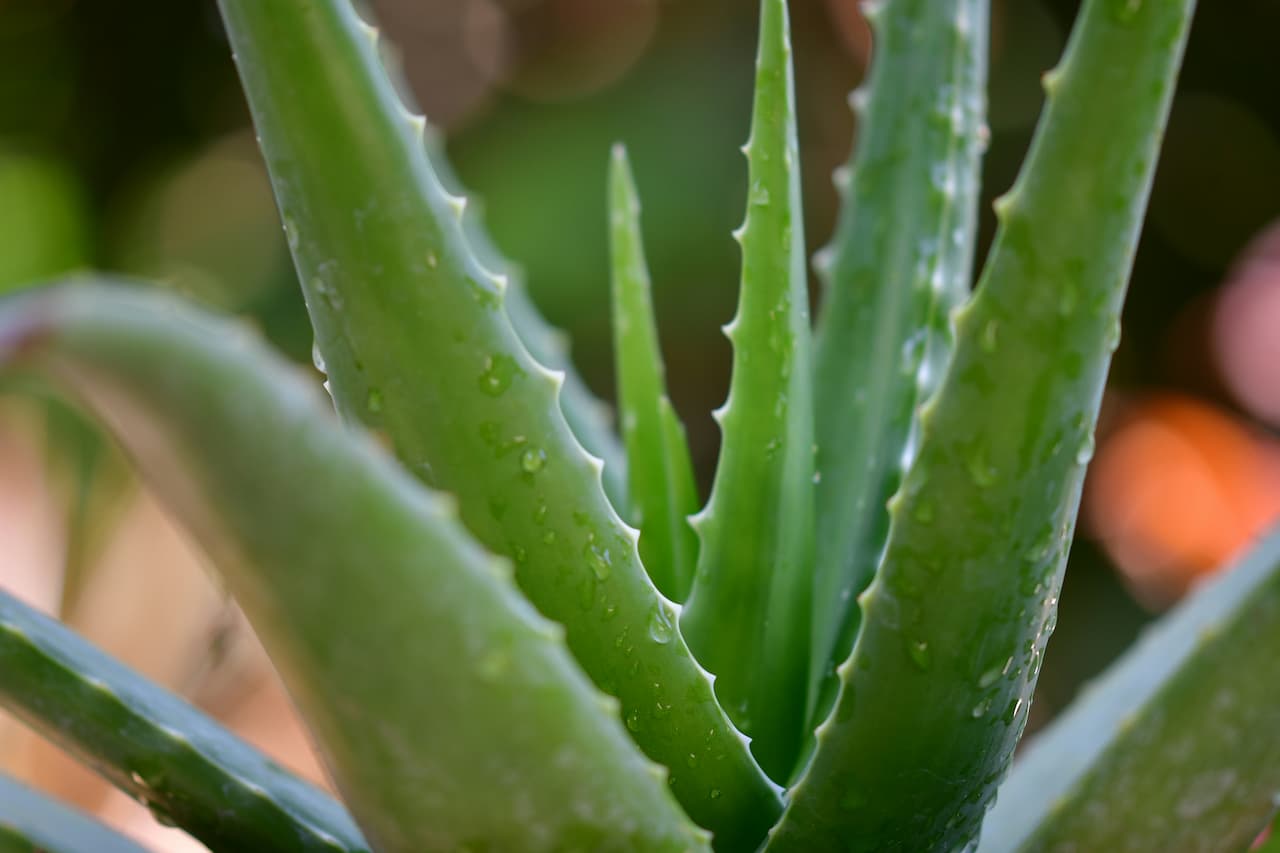
Aloe barbadensis miller – commonly known as aloe vera – is a succulent plant native to the Arabian Peninsula, now naturalised across the Mediterranean, North Africa and the Caribbean. It stores water in its thick fleshy leaves, which is why it is so tolerant of drought and so vulnerable to overwatering. The same storage system that protects it during dry periods becomes a liability in waterlogged soil, where the roots rot rapidly and the plant has no mechanism to expel the excess moisture.
In the UK, aloe vera is grown almost exclusively as a houseplant, though it can survive outdoors in very sheltered, well-drained positions in the mildest parts of southern and western England during summer. In all but the most favoured coastal gardens it must come indoors before the first frost. As a houseplant it typically reaches 30 to 60cm in height and spread, produces offsets around the base freely, and may occasionally produce a tall flower spike of tubular yellow flowers in summer when given enough light. The offsets – called pups – are one of the appeals of growing aloe vera, as a single plant left undisturbed for a few years produces a substantial colony from which new plants can be divided and given away indefinitely.
Light – the more the better
Aloe vera needs the brightest light you can give it. A south-facing windowsill that receives direct sun for most of the day is the ideal position – this is one of the few houseplants that genuinely thrives in the spot that scorches most others. An east or west-facing window with several hours of direct sun is workable. A north-facing position or a spot away from a window will produce a plant that slowly stretches toward the light, loses its compact rosette form and eventually declines over months and years.
In summer, aloe vera can go outside on a sunny patio or balcony, which it benefits from enormously – the higher light levels promote compact, robust growth and significantly increase the chance of a flower spike. Introduce it to outdoor conditions gradually over a week or two to avoid sunscorch. Even sun-loving plants can develop bleached patches when moved suddenly from indoor to outdoor light levels. Bring it back inside before the first frost, typically October in most of the UK.
Watering – less is more
Overwatering is the single most common cause of aloe vera failure in the UK. It kills the plant from the roots upward in a way that is often invisible until significant damage is already done – the leaves may look healthy while the roots are rotting below the compost surface, and by the time the leaves begin to show distress the root system may already be beyond recovery. This is why the visual health of the plant is a poor guide to whether it needs water.
The correct approach is to water thoroughly and then wait until the compost is completely dry before watering again. Not just dry at the surface – dry all the way through. Push a finger as deep into the compost as it will go and only water when it feels completely dry at depth. In a UK summer this typically means watering every two to three weeks. In winter, once a month is often sufficient and some experienced growers stop watering almost entirely from November to February while the plant is essentially dormant.
If in doubt, do not water. Aloe vera can survive weeks without water and recovers from mild drought stress within days of a good watering. It cannot recover from root rot caused by overwatering. When uncertain whether to water, wait another week. Always water at the base of the plant, never over the leaves, and empty any saucer after 20 minutes to prevent the pot sitting in water.
Soil, pots and drainage
Aloe vera must be grown in free-draining compost. Standard multipurpose compost holds too much moisture and significantly increases the risk of root rot even with careful watering. Use a purpose-made cactus and succulent compost, or mix standard compost 50/50 with horticultural grit or perlite. The compost should feel gritty and drain freely and quickly when watered – if water pools on the surface and drains slowly, the mix is too moisture-retentive.
Terracotta pots are the best choice for aloe vera. The porous clay allows moisture to evaporate through the pot walls, actively reducing the risk of the compost staying wet for too long. Plastic and glazed ceramic pots hold moisture much longer, which increases overwatering risk even when the watering schedule is otherwise correct. Whatever pot material you choose, it must have drainage holes at the base. A pot without drainage holes should never be used for aloe vera under any circumstances – the consequences of waterlogging are irreversible once root rot has established.
Feeding, repotting and propagation
Feed very sparingly – once or twice through the growing season from May to August with a cactus or succulent fertiliser diluted to half strength. Aloe vera is adapted to lean, nutrient-poor soils and does not need regular feeding. Over-feeding drives soft, weak growth that is more susceptible to pest damage and rot. Do not feed at all from September to April.
Repot when the plant becomes severely root-bound – roots visibly emerging from drainage holes and the plant unstable in its pot. Aloe vera actually grows better when slightly constrained, and most plants do not need repotting more than every two to three years. When repotting, move up by one pot size only and use fresh cactus compost. Do not water for at least a week after repotting to allow any root damage to callous over before the roots are exposed to moisture.
Propagation from offsets is simple and rewarding. Aloe vera freely produces pups around the base of the parent plant. Once a pup has developed its own small root system and is large enough to handle – typically when it is 8 to 10cm tall – twist it gently away from the parent root. Leave the separated pup on dry compost for a day or two to allow the wound to callous. Then pot into dry cactus compost and wait a week before watering for the first time. The success rate with this method is high and a mature aloe vera produces enough pups to give away indefinitely.
Common problems and fixes
Almost every aloe vera problem traces back to one of two root causes: too much water or too little light. The plant is robust when these two conditions are met correctly and surprisingly intolerant when they are not. The table below covers every symptom commonly encountered in UK homes.
Harvesting and using the gel
The gel inside aloe vera leaves has a long and well-documented history of use for soothing minor burns, sunburn and skin irritation. There is reasonable scientific evidence supporting its effectiveness for these specific applications. Using the gel from a home-grown plant is simple and the main caution is to allow the yellow latex layer just beneath the skin to drain away before use, as this can cause skin irritation in sensitive people.
Aloe vera is toxic to cats and dogs. The saponins and anthraquinones in the plant – particularly in the yellow latex layer beneath the skin – cause vomiting, diarrhoea and lethargy if ingested by pets. Keep the plant out of reach if you have animals in the home. The gel applied externally to humans is generally considered safe, but the plant should not be consumed internally without medical advice.
Aloe vera is genuinely one of the easiest and most rewarding houseplants for a bright UK windowsill. Its low maintenance requirements, tolerance of occasional neglect and practical usefulness make it excellent value. The care philosophy – bright light, infrequent watering, free-draining compost, minimal intervention – once understood applies to a whole group of succulents and makes every subsequent low-water plant easier to keep.
Share on socials: