At a glance
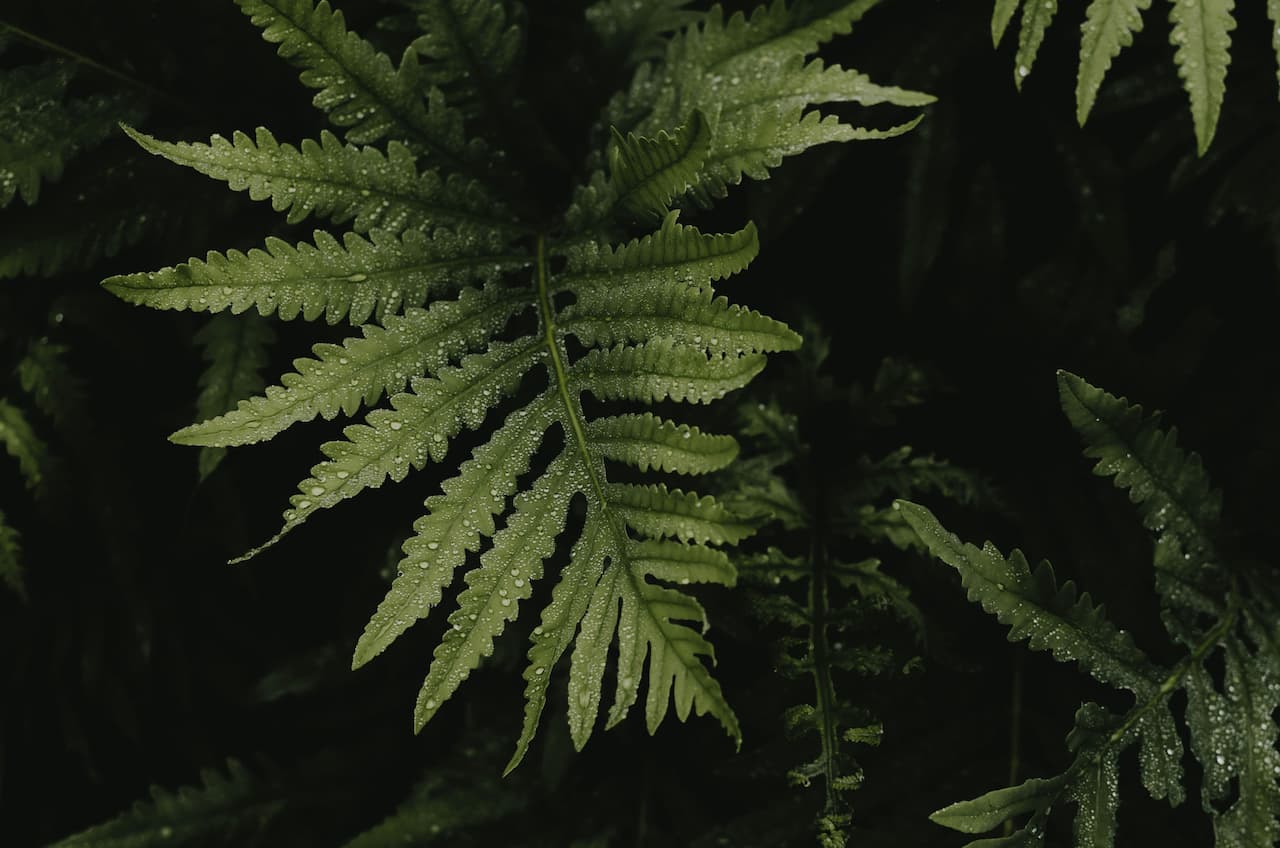
The Boston fern (Nephrolepis exaltata ‘Bostoniensis’) is one of the most striking foliage houseplants available in the UK. Its long arching fronds of bright green leaflets create a lush, softening effect that few other plants can replicate. It has been a popular houseplant since it was introduced in 1894 and for good reason – at its best, it produces a full, cascading habit that works beautifully in hanging baskets, on plant stands and in bathroom positions where humidity is naturally higher. But it is also one of the more demanding houseplants in terms of specific care requirements, and understanding those requirements clearly is the difference between a plant that thrives for years and one that gradually browns and sheds fronds until it is beyond recovery.
The single most important factor in Boston fern care in a UK home is humidity. This plant evolved in humid tropical forests and it struggles badly in the dry air that central heating creates in most British homes through winter. Get humidity right and most other aspects of Boston fern care are straightforward. Get it wrong – as most UK growers do initially – and no amount of correct watering, feeding or light adjustment will prevent the characteristic browning and frond drop that signals a plant in decline.
About the Boston fern
Nephrolepis exaltata is native to tropical regions across a wide geographic range – Florida, the West Indies, Mexico, Central America, South America, Polynesia and parts of Africa – wherever humid, shaded, forested conditions exist. It is a terrestrial fern, growing on the forest floor and in shaded banks in moist, humus-rich soil. This origin is significant for understanding its care requirements: it is not a plant that evolved to store water through drought periods or adapt to bright light. It grows in consistently moist conditions, in shade or filtered light, with high ambient humidity throughout the year.
The cultivar name ‘Bostoniensis’ comes from the city of Boston, where the plant was first identified as a distinct, improved form with fuller fronds than the standard sword fern in the late 19th century. It quickly became one of the most widely grown houseplants in the world. In a UK home, well-established specimens typically produce fronds 60-90cm long with a similar spread, though plants in ideal conditions – high humidity, good indirect light, consistent moisture – can exceed this considerably. The graceful arching habit that makes it so attractive is naturally produced when the fronds have enough length to curve gently downward under their own weight, which is why hanging baskets and raised plant stands suit it so well.
Light, temperature and position
Boston ferns prefer bright indirect light – enough for comfortable reading, but without direct sun reaching the fronds. Direct sunlight scorches the delicate leaflets quickly, turning them yellow or pale brown within days. A position near a north or east-facing window, or set back from a south or west-facing window with a sheer curtain to filter the light, provides ideal conditions. In the lower light of a UK winter, Boston ferns slow their growth significantly but manage without supplementary lighting provided the position receives some natural daylight for several hours each day. A completely dark corner will cause decline, but moderate indirect light through winter is acceptable.
Temperature is a care factor the Boston fern is more flexible about than humidity. It thrives between 16-24°C – typical UK room temperatures – and tolerates moderate warmth well. Below 10°C, growth stops and the plant begins to suffer. This rules out unheated conservatories in winter and positions on cold windowsills. However the most important temperature-related issue is not the range but the stability: sudden temperature drops, cold draughts from doors and windows, and the drying heat directly from a radiator all cause sudden frond yellowing and leaflet drop. A stable, draught-free position away from heat sources is more important than hitting a precise temperature figure.
A note on the Kimberley Queen fern (Nephrolepis obliterata), which is frequently sold alongside Boston ferns in UK shops and often marketed as a more manageable alternative. It has upright rather than arching fronds and genuinely tolerates lower humidity and drier conditions better than standard Bostoniensis. For UK growers who struggle with humidity, the Kimberley Queen is worth considering specifically because it requires less intensive humidity management while providing a similar lush, fern-like appearance. Care is otherwise identical to Boston fern.
Position choice matters considerably for this plant. A bathroom with a north or east-facing window is the single best room in a typical UK home for a Boston fern – steam from showers and baths provides regular humidity boosts, the temperature is typically cooler and more stable than a heated living room, and indirect light from a frosted or clear window provides the right light level. A kitchen is the second-best option for similar reasons. If neither is practical, a position near a window in any room with a humidifier running nearby is the next best solution.
Humidity – the critical factor
Humidity is where most Boston fern failures in UK homes begin. Central heating reduces indoor humidity dramatically during winter – typically to 30-40% relative humidity in a heated British home, compared to the 50-70% that Boston ferns need to thrive. The result is fronds that develop brown and crispy tips, leaflets that drop progressively, and a plant that looks increasingly sparse regardless of how well it is watered. Many growers respond by watering more, compounding the problem with overwatering, when the real fix is addressing the air around the plant rather than the soil beneath it.
The most effective solution is a small electric humidifier placed near the plant and run for a few hours each day. A humidifier produces sustained ambient humidity that makes a dramatic difference to how well Boston ferns cope through a UK winter. Misting the fronds directly is often suggested but provides minimal lasting benefit – the water evaporates within minutes and the average effect is negligible compared to a humidifier. Misting can also cause fungal problems on the fronds if water sits in the leaflet axils in cool, poorly ventilated conditions, so it is not a recommended primary strategy.
A pebble tray – a shallow tray filled with pebbles and water with the pot sitting above the water line on the pebbles – provides a more sustained humidity boost than misting as the water evaporates slowly around the pot. It is less effective than a humidifier but a practical low-cost alternative. Grouping the Boston fern with several other houseplants creates a slightly more humid microclimate around all of them as they collectively transpire moisture into the shared air. Bottom watering – placing the pot in a tray of room-temperature water for 20-30 minutes – is a useful watering technique that also avoids wetting the fronds and reduces fungal risk.
Watering and soil
Unlike most houseplants that prefer to dry out between waterings, Boston ferns require their compost kept consistently moist – never waterlogged, but never allowed to dry out completely. The compost drying out even briefly can trigger a mass drop of leaflets that takes weeks to recover from. Check the compost every two to three days and water when the surface begins to feel dry rather than waiting until it is completely dry through. In practice this means watering roughly every two to three days in summer and every four to five days in winter, though the compost check is always the reliable guide rather than a fixed schedule.
Use room-temperature water rather than cold tap water, which can shock the roots and cause sudden leaflet drop. Hard tap water – common across much of southern and central England – contains minerals that accumulate in the compost over time, causing brown tips and eventually salt toxicity. Rainwater collected from a water butt is ideal. If rainwater is not available, leaving tap water to stand overnight in an open container allows some of the chlorine to dissipate, which is a practical improvement. A water filter jug is the other straightforward option.
Boston ferns prefer slightly acidic, humus-rich, free-draining compost with a pH between 5.5 and 6.5. A peat-free houseplant compost with around 20% perlite added provides the right balance of moisture retention and drainage. Standard multipurpose compost is generally too dense and retains water unevenly – the surface may dry while the interior remains wet, which encourages root rot at the base while dehydrating the fern at the top. A hanging basket lined with moss and filled with a lighter compost mix gives particularly good results because it drains freely and maintains more even moisture distribution.
Feeding, repotting and varieties
Feed monthly from April to September with a balanced liquid fertiliser at half the recommended strength. Boston ferns do not need heavy feeding – overfeeding causes salt build-up in the compost that burns the roots and produces brown leaf tips that are indistinguishable from humidity-related browning. Half-strength, regular application through the growing season is better than occasional full-strength doses. Stop feeding entirely from October to March when growth slows or stops.
Repot every one to two years in spring when roots emerge from drainage holes or the plant clearly fills its pot. Move up by one pot size only – 2-3cm more in diameter. Boston ferns are sensitive to root disturbance; handle the root ball gently and try to keep it as intact as possible when removing from the old pot. Water immediately after repotting and keep away from direct light for a week while the plant settles. Spring repotting allows the plant to establish in its new pot while actively growing, which reduces the stress of the process considerably.
Common problems and fixes
Most Boston fern problems have an identifiable cause and a clear fix. The challenge is that several different problems produce similar symptoms – brown tips can indicate low humidity, hard water, overfeeding or temperature stress – so working through the most likely causes in order matters.
One aspect of care often overlooked is root division. Boston ferns produce dense, fibrous root masses that fill their pots quickly. When repotting, an overgrown plant can be divided – separating the root ball into two or three sections, each with fronds and roots attached, and potting each section separately. This produces new plants and reinvigorates a plant that has become very root-bound. Division works best done in spring. Use a clean, sharp knife to cut between sections and pot each immediately into fresh compost. Water well and maintain high humidity for the first few weeks while the divisions re-establish.
Pests are not commonly a serious issue for Boston ferns but scale insects and mealybugs can establish in the dense frond structure where they are easy to miss on casual inspection. Check the undersides of fronds and the stem bases when watering. Treat with insecticidal soap or neem oil applied carefully to avoid wetting the fronds excessively. Spider mites may appear in hot, dry conditions – they thrive in exactly the low-humidity environment that Boston ferns dislike, so maintaining adequate humidity serves double duty in preventing both plant stress and spider mite infestation.
Seasonal care calendar
Boston fern care adjusts significantly across the year in UK conditions. The plant’s rhythm follows UK seasons closely – vigorous growth in spring and summer, a slowdown in autumn, and a difficult winter period that requires specific management to get through without significant losses.
Share on socials: