At a glance
Cavity wall insulation is one of the most impactful energy efficiency measures available to UK homeowners, and one of the most cost-effective. Around 8 million UK homes have uninsulated cavity walls – predominantly those built between 1930 and 1995 – and filling these cavities reduces heat loss through the walls by around a third. The Energy Saving Trust estimates savings of £150-290 per year for a typical semi-detached house, depending on location and heating costs per year. Installation takes half a day, causes minimal disruption and requires no internal work whatsoever. For a measure that delivers long-term annual savings, the disruption-to-benefit ratio is extremely favourable compared to almost any other home improvement.
The process is not a DIY job – it requires specialist drilling equipment and access to certified materials – but understanding what is involved helps you ask the right questions, assess quotes accurately and know what to look for when checking the work has been done correctly. Combining cavity wall insulation with other energy saving measures gives the best overall reduction in your bills and the most complete approach to reducing your home’s heat loss.
Is your home suitable
Cavity wall insulation is suitable for most UK homes built from the 1930s onwards with a conventional brick cavity wall construction. The cavity – the gap between the inner and outer leaf of the wall – must be at least 50mm wide and in reasonable condition. The external walls must be in sound condition with no significant cracking, damp penetration or signs of structural movement. A pre-installation survey carried out by the installer assesses all of these factors before any commitment to proceed. In most cases, a survey is provided free of charge by registered installers.
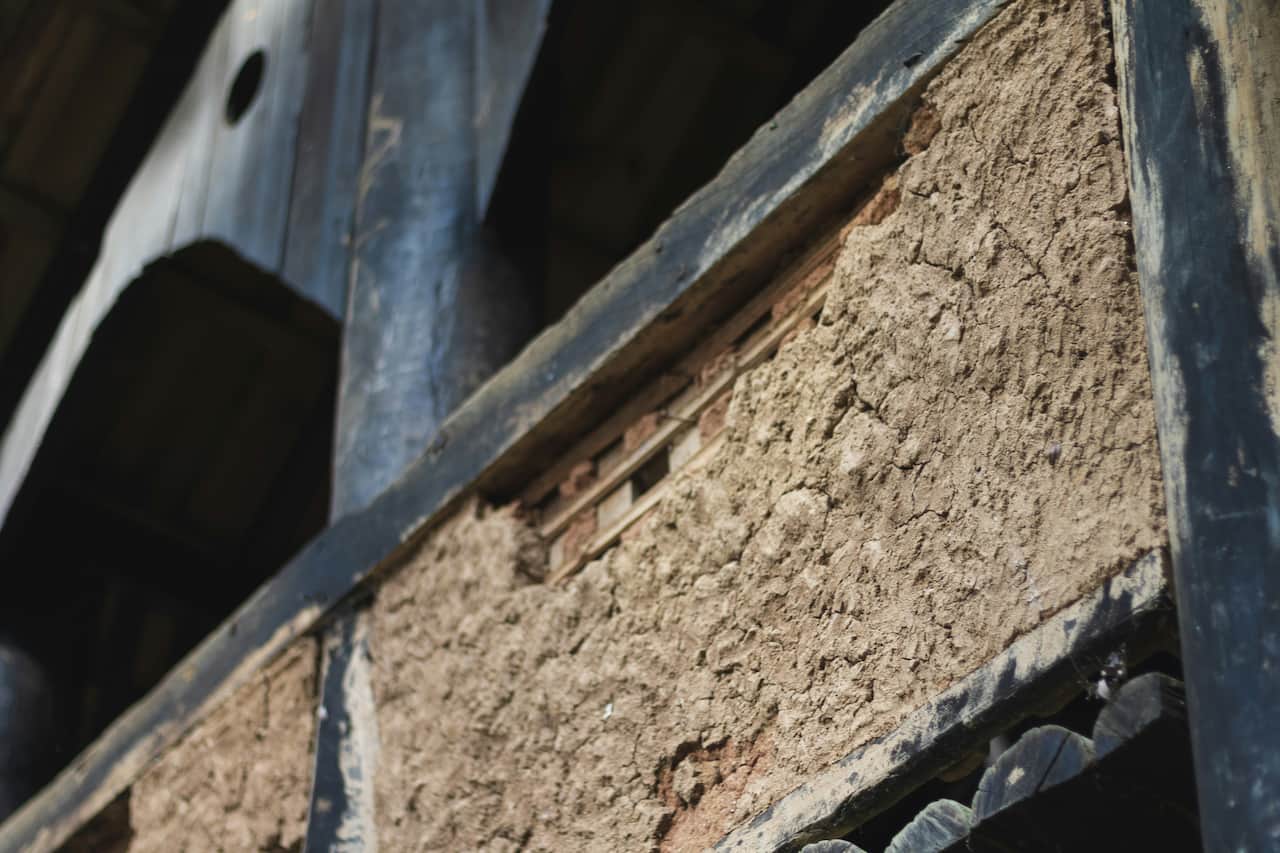
Homes that may not be suitable for standard cavity wall insulation include those in very exposed locations where wind-driven rain could penetrate through the insulation to the inner leaf, properties with non-standard wall construction such as timber frame or prefabricated concrete, and homes where the cavity already contains debris, mortar droppings or other contamination that prevents even distribution of insulation. If you are unsure whether your home has a cavity at all, your local authority building control records or an EPC assessor can confirm the wall construction type. Properties in Scotland and Wales may also have access to additional local funding schemes not available in England.
How the installation works
A cavity wall insulation installation is a half-day job for a professional team of two. The process involves drilling a series of small holes – typically 22mm diameter – through the external brick or render at regular intervals across the wall surface. The holes are drilled in a specific pattern to ensure even coverage of the cavity space, usually every 1.2 metres horizontally and at mid-height of each course. Insulation material is then injected through the holes under pressure until the cavity is full, after which the holes are filled with mortar or plugs to match the existing pointing as closely as possible.
The drilling pattern typically follows the mortar courses to minimise the visual impact. A skilled installer will match the mortar colour and texture reasonably well, though the filled holes are usually visible on close inspection for the first year or two until weathering blends them in. The work is all external – no internal disruption, no decorating, no mess inside the property at any stage. Before work begins, a borescope camera may be used to inspect the cavity interior to check its condition and confirm width. After completion, the installer should walk around the property with you to show the filled holes and confirm the work is complete.
Check the EPC before commissioning work. Your home’s Energy Performance Certificate will show whether cavity wall insulation is already present and whether it is recommended. EPC assessors check for insulation as part of the assessment, so the certificate is the quickest way to establish the current status of your walls before calling installers. If you do not have a current EPC, one can be obtained for around £60-90 from an accredited assessor.
Insulation materials used
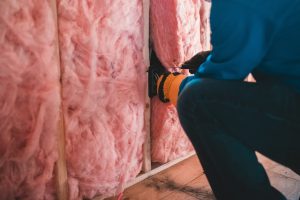
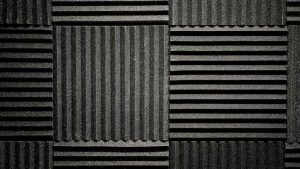
Three main materials are used for cavity wall insulation in the UK, each with different characteristics suited to different cavity types and property situations. The installer will recommend the most appropriate material after surveying your property, but understanding the differences helps you assess whether the recommendation is right for your specific circumstances. All three materials must meet British Standard requirements to qualify for CIGA guarantee coverage.
Costs and payback
The installed cost of cavity wall insulation varies by property size, access conditions and material used. For a typical mid-terrace or semi-detached UK home, expect to pay £400-800. Larger detached properties may cost £800-1,200. These costs assume no free scheme eligibility – see the next section for details of schemes that may cover the full cost. Getting three quotes from CIGA-registered installers gives you an accurate range for your specific property and allows you to compare both price and the survey assessment. A significant variation between quotes often reflects a difference in survey findings rather than simply price gouging. At typical UK energy prices, payback periods of three to five years are realistic for most privately funded installations, after which every subsequent year of savings requires no further action or expenditure.
Free cavity wall insulation schemes
The ECO4 scheme (Energy Company Obligation) provides fully funded cavity wall insulation for eligible UK households at no cost. Eligibility is based on household income, benefit status and the current energy efficiency rating of the property. Households receiving means-tested benefits or with a household income below a certain threshold may qualify for fully funded installation. Properties with an EPC rating of D, E, F or G are the primary target under ECO4. Even if you are not certain whether you qualify, it is worth checking – many households that assume they are ineligible turn out to qualify under one criterion or another.
Energy suppliers are required by law to fund a proportion of these installations each year, so contact your energy supplier directly or use the government’s Simple Energy Advice service at simpleenergyadvice.org.uk to check eligibility. Local authority schemes also exist in some areas offering grants or subsidised installation regardless of income, particularly in areas with high levels of fuel poverty. The Great British Insulation Scheme, launched in 2023, also provides funding for insulation in lower EPC-rated homes above a certain council tax band.
Potential problems
Cavity wall insulation has occasionally been associated with damp problems in some UK properties, typically where the installation was carried out incorrectly or where the property had pre-existing damp issues that were not identified before work began. Modern installation standards and improved materials have significantly reduced these risks compared to installations carried out in the 1980s and early 1990s, but understanding the potential issues is worthwhile before commissioning work.
The most common cause of post-installation damp is existing defects in the external envelope – failed pointing, cracked render, defective flashings or blocked gutters – that allow water to penetrate the wall. If water is already entering the cavity before insulation, adding insulation provides a direct pathway for moisture to reach the inner leaf. A competent pre-installation survey should identify these issues and require them to be resolved before work proceeds. If any installer is willing to proceed without a thorough survey, treat that as a red flag and seek an alternative quote from a different registered installer.
Address existing damp before insulating. Any damp penetration through the external walls – cracked render, failed pointing, defective flashings or gutters – must be repaired before cavity wall insulation is installed. Trapping moisture within the wall by insulating over an existing damp problem will worsen it significantly and can lead to expensive remediation costs to remove and replace the insulation.
Finding an installer
All UK cavity wall insulation installers should be registered with the Cavity Insulation Guarantee Agency (CIGA), which provides a 25-year guarantee on installed cavity wall insulation. Check that any installer you use is CIGA registered and that you receive a CIGA guarantee certificate on completion. This protects you if problems arise later and is the benchmark of a professionally installed job. The CIGA website at ciga.co.uk maintains a register of approved installers searchable by postcode. Never use an installer who cannot provide CIGA registration details before work begins.
When comparing quotes, check that each installer proposes the same material type and ask them to explain their choice. A survey that does not include a borescope inspection of the cavity interior – to check its condition before committing to installation – should be treated with caution. The pre-installation survey is not a formality; it is the point at which an honest installer will tell you if your property is not suitable, which is the most important protection you have against a poor outcome. Getting three quotes is worthwhile not just for price comparison but to cross-reference the survey findings – if two installers agree on the material and approach and one does not, that tells you something important.
Share on socials: