At a glance
The Hive Thermostat is arguably the most recognisable smart heating system in the UK, sold and installed through British Gas with a level of mainstream trust that its rivals struggle to match. It dominates the market not through technical innovation but through the combination of a brilliant app, genuinely reliable performance and the practical advantage of professional installation included in the purchase price. But does brand recognition translate into a genuinely great product in 2026?
We tested the Hive Thermostat in a three-bedroom semi-detached home in the East Midlands over six weeks, using it daily across cold and mild weather to give it a thorough real-world workout. The test covered app reliability, geofencing accuracy, voice assistant integration, energy reporting depth and the overall installation experience from booking to completion. Here is everything you need to know before you buy.
Overview and first impressions
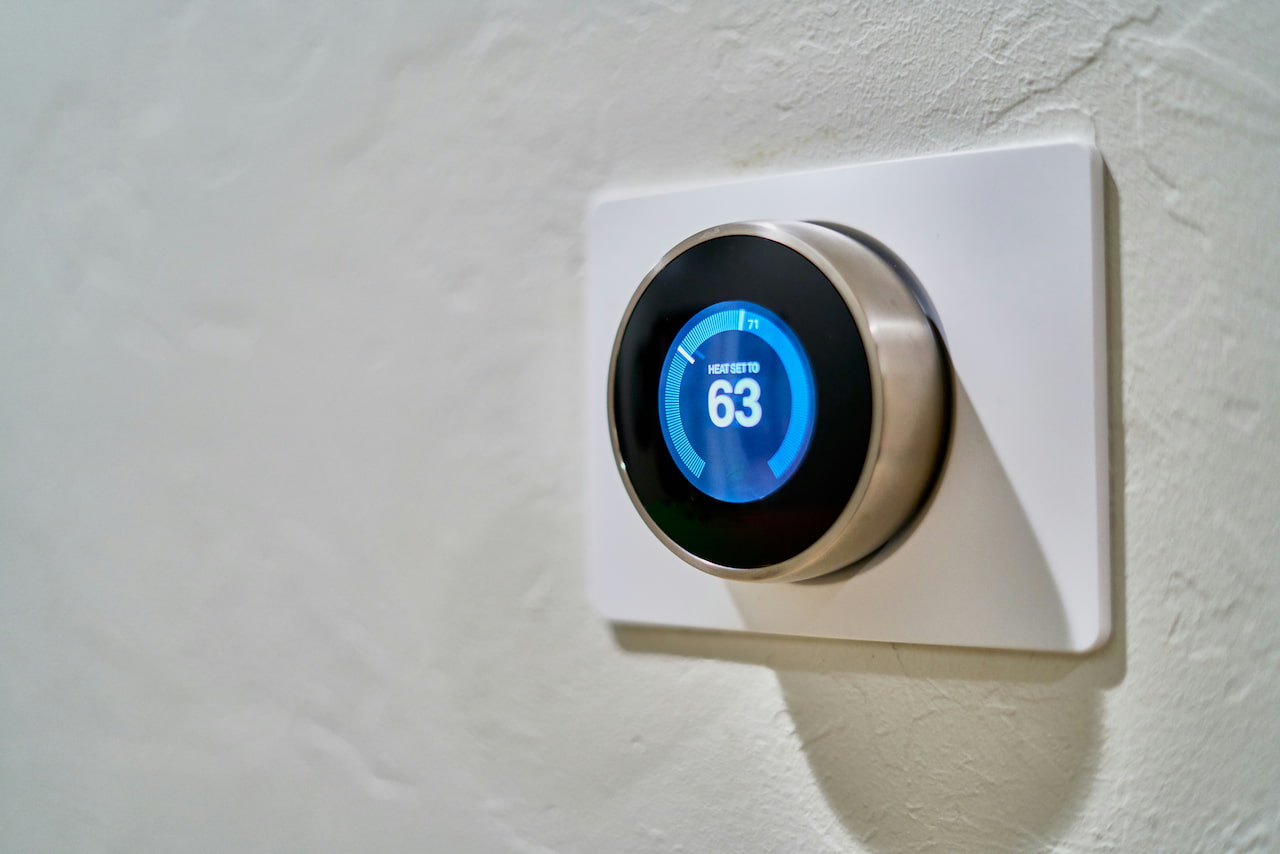
The Hive Thermostat has a clean, uncluttered design that looks good on the wall without drawing too much attention to itself. The backlit LCD display is clearly readable from across the room, and the touch controls respond well without requiring any pressure. It feels like a quality product rather than an afterthought. The housing is solid and the finish matches the kind of modern home interior it is most likely to be installed in – it is neither flashy nor industrial, which is exactly right for a thermostat.
The system requires the Hive Hub – a small device that connects to your router via ethernet and acts as the bridge between the thermostat and the Hive app. It is an additional step compared to Wi-Fi-only rivals like the Nest and the Tado, which communicate directly without a hub. However, once the hub is plugged in and registered it worked without interruption throughout our entire six-week test period. The Zigbee connection between hub and thermostat proved more reliable than Wi-Fi-direct systems we have tested in homes with thick walls or routers in awkward positions.
Out of the box the setup experience is handled end-to-end by a British Gas engineer, which means there is nothing for the homeowner to do beyond accepting the booking and being home. That frictionless entry point is a significant part of the Hive’s appeal and sets it apart from the self-install alternatives. The thermostat itself has a simple four-button control and a clear current-temperature display – easy enough for anyone in the household to use without ever touching the app.
Already a British Gas customer? Existing British Gas customers are often eligible for discounted installation or bundle pricing on Hive products. Worth checking with them before buying at full retail – the saving can be meaningful, particularly if you are also looking at Hive smart plugs or sensors as part of a wider system.
Specifications and scores
How it performed in our tests
Day-to-day performance is where the Hive earns its reputation. The thermostat responds quickly to schedule changes made from the app – updates pushed through in under five seconds in most cases. The app itself is genuinely one of the most polished in the smart heating category. Setting up a weekly heating schedule takes minutes rather than the half-hour ordeal some competing systems require, and the interface never demands any head-scratching or manual-reading. Anyone who can use a smartphone can configure the Hive app without assistance.
Geofencing worked reliably throughout our six-week test. When our tester left the house the heating dropped back within a few minutes. On return it kicked in before the front door was opened. There were no missed triggers across the entire test period – not a single instance of the heating staying on when everyone was out, or the house being cold on arrival. Voice commands via both Alexa and Google Assistant worked correctly every time they were tested. The energy reporting in the app provides daily and monthly usage summaries, though the detail level falls short of what Tado offers if deeper analytics are a priority.
The hub needs an ethernet connection to your router. This is the most common practical obstacle for Hive installations. If your router is in an awkward spot or in a different room to where you want the hub, run an ethernet cable before the engineer arrives or use a powerline ethernet adapter. The hub cannot connect via Wi-Fi.
Installation experience
Professional installation is included in the purchase price, which is one of the Hive’s strongest practical advantages over DIY-install rivals. A British Gas engineer books a slot – typically within a week of ordering – and fits both the thermostat and the boiler receiver. For most UK homes with a standard combi boiler the process takes around an hour. There is no DIY electrical work required at any point, which makes Hive the right choice for anyone who is not comfortable working with wiring, or simply does not want the hassle.
The engineer who visited during our test was thorough, ran through the app setup fully during the appointment and confirmed everything was working across app, voice control and geofencing before leaving. The booking experience through the British Gas website was smooth and the engineer arrived at the start of the time window rather than the end – which is more than can be said for many home service appointments. The overall experience from order to working thermostat was genuinely low stress compared to self-install alternatives.
Watch for subscription creep. Hive has introduced optional paid tiers that unlock features including advanced scheduling and detailed energy reporting. The core functionality works without a subscription, but the product is moving towards a model where some features may require ongoing payment in future. Check the current subscription tiers on the Hive website before purchasing so there are no surprises after installation.
Performance and limitations
After six weeks of daily use the Hive’s strengths and weaknesses are clear. The app, geofencing and installation experience are among the best in the category. The areas where it trails competitors are equally defined – the hub dependency, the lack of auto-learning, and the energy reporting depth that falls noticeably behind what Tado and Nest deliver. Neither list should be a surprise to anyone who has researched the smart thermostat market, but they are worth stating plainly so buyers can make the right choice for their specific situation.
- Professional installation included – no DIY wiring
- Best-in-class app – clean, fast and intuitive
- Reliable geofencing throughout testing
- Works with Alexa and Google Assistant
- Strong UK support via British Gas
- Compatible with most UK combi boiler types
- Hub requires wired ethernet connection
- Pricier than DIY-install rivals
- Optional subscription tiers add ongoing cost
- Energy reports less detailed than Tado
- No auto-learning scheduling feature
- No Apple HomeKit support
- Anyone wanting professional installation
- British Gas customers – possible discounts
- Those who value a polished, easy-to-use app
- UK homeowners wanting reliable daily performance
- Anyone uncomfortable with DIY wiring
- Tech buyers wanting deep energy analytics
- Apple HomeKit users
- Budget-conscious buyers
- Those wanting auto-learning scheduling
Final verdict – is it worth it?
The Hive Thermostat earns its place as the UK market leader through a combination of a brilliant app, reliable performance and the genuine convenience of professional installation included in the price. It is not the cheapest option and the subscription direction is worth monitoring, but for the majority of UK homeowners it is the most dependable, lowest-friction smart thermostat available.
Where it trails its main rivals is in energy analytics depth – if detailed breakdowns of your heating usage are a priority, the Tado is a better fit. If you want auto-learning that adapts to your schedule without manual programming, the Nest Learning Thermostat earns its premium. But if what you want is a smart thermostat that works reliably out of the box, is controlled through one of the best apps in the category, and does not require you to understand anything about wiring or Z-wave protocols, the Hive is the straightforward recommendation.
The price of £179 including professional installation is reasonable when you factor in what a standalone installation quote would cost for a rival product. A British Gas engineer appointment would typically cost £50 to £100 on its own. Viewed that way, the Hive is not significantly more expensive than self-install alternatives once installation is accounted for – and you get the peace of mind of a professionally fitted system with warranty support.
4.4 out of 5. The Hive is the safe, reliable, brilliantly-app’d choice for most UK homeowners. Professional installation is included, geofencing works consistently, and the app is the best in the category. Energy reporting could be deeper and the hub dependency is a minor inconvenience – but everything else is polished and dependable. Our top recommendation for anyone who wants a smart thermostat without any fuss.
Share on socials: