At a glance
A 200W solar panel is one of the most useful sizes in the domestic and off-grid market. It is large enough to generate meaningful energy for sheds, outbuildings, campervans and garden offices, but compact enough to be manageable as a single-panel installation without scaffolding, structural surveys or grid-tie complexity. If you want power somewhere that is not currently connected to the mains, a 200W panel is often exactly the right starting point.
The 200W label refers to the panel’s peak rated output under ideal laboratory conditions – direct overhead sun, no cloud, perfect temperature. In the real UK, where cloud is the dominant weather feature for much of the year and summer sun reaches peak intensity for only a few hours a day, actual output sits noticeably lower. Understanding this gap between rated and realistic output is the single most important thing to grasp before spending any money.
What a 200W Panel Actually Generates in the UK
Peak rated output is measured under Standard Test Conditions – 1,000W of irradiance per square metre, 25 degrees Celsius, and a specific air mass figure. None of these conditions routinely occur in the UK. A more useful figure is average daily generation, which varies considerably by season, location and installation angle.
The pattern is stark – a 200W panel generates roughly five times more energy in summer than in winter. Any off-grid setup that needs to work reliably in December needs either a much larger panel array, a much larger battery bank, or both. A single 200W panel is realistic for summer-heavy applications like campervans and seasonal garden offices, but falls short of providing dependable year-round power for anything demanding. For year-round reliability in a UK shed or workshop, two 200W panels paired with a 200Ah lithium battery bank represents a more realistic baseline – and that system still comes in at a lower total cost than running a mains extension cable from the house across a garden.
South-facing at 35 degrees is the UK sweet spot. Mounting a panel at 35 degrees facing due south maximises annual generation in the UK. A panel mounted flat on a horizontal surface loses around 15% annual generation compared to the optimal angle.
What a 200W Panel Can and Cannot Power
Whether a 200W panel can run a given appliance depends on the appliance’s power draw and how long it runs. A 200W panel generating 700 Wh per summer day can run a 10W LED lighting circuit for 70 hours, a 50W laptop for 14 hours, or a 100W fan for 7 hours. It cannot, under any circumstances, directly power a kettle, electric shower, space heater or anything else that uses resistance heating at mains voltage.
Rigid, Flexible and Portable – Which Type to Choose
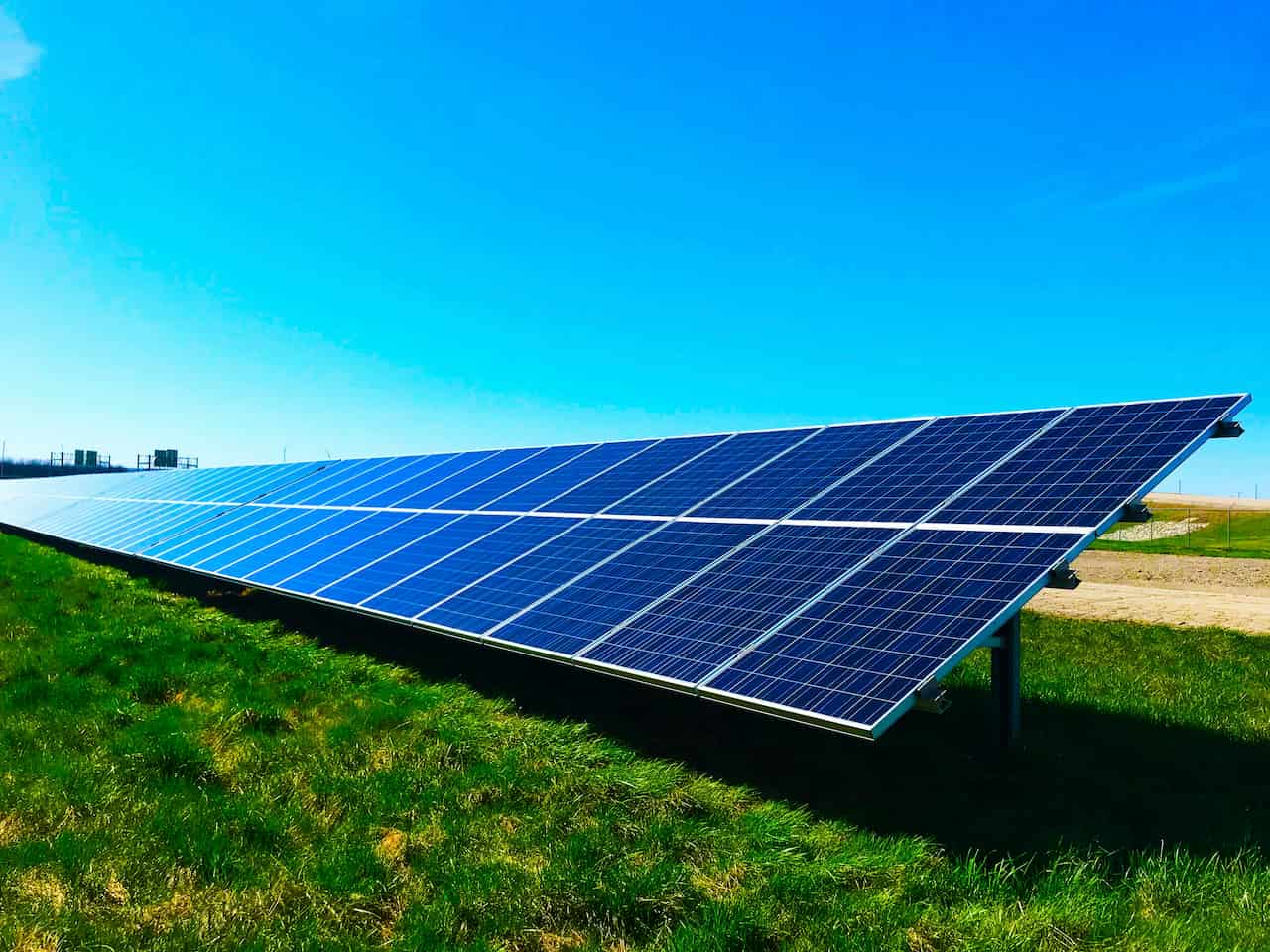
200W panels come in three physical forms, each with a distinct use case. Rigid monocrystalline panels are the standard choice for fixed installations – sheds, outbuildings, rooftop mounting on garden offices. They are the most efficient per square metre, the most durable over long periods and generally the best value per watt. A standard 200W rigid panel measures roughly 1,300mm x 800mm and weighs around 12-15kg.
Flexible panels are thinner and lighter, useful on campervans and boats where the roof profile is not flat. They sacrifice some efficiency and have shorter lifespans than rigid panels, but their installation flexibility is a genuine advantage in the right application. Portable folding panels offer the ability to carry and reposition freely, useful for camping or temporary installations, at the cost of some output and longevity.
A solar panel alone will not power anything. A bare panel produces DC electricity that fluctuates with sunlight. To use it you need a charge controller to regulate the input, a battery to store the energy, and an inverter if you want to run mains-voltage AC appliances. Budget for all four components from the outset.
What Else You Need – The Full System
A 200W panel is the generation side of a small solar system. The storage and conversion side requires three additional components. A solar charge controller sits between the panel and the battery, preventing overcharging and managing the charging cycle correctly. A battery stores the energy generated during the day for use at night or on cloudy days – a 100Ah 12V lithium battery is a common pairing with a single 200W panel. An inverter converts the stored 12V DC into 230V AC mains power for conventional appliances, though 12V DC appliances can bypass the inverter entirely for better efficiency.
For a complete shed or garden office setup, a quality MPPT charge controller, a 100Ah lithium battery and a 300W pure sine wave inverter, budget roughly £350-£500 in total including the panel. If your goal is to reduce a mains electricity bill rather than power an off-grid space, a properly installed grid-connected solar PV system is what you need – the Energy Saving Trust’s solar panel guidance covers that route clearly for UK homeowners.
Costs and Realistic Payback
A 200W solar panel for off-grid use does not generate a financial return in the conventional sense – it is not exporting to the grid or reducing a mains electricity bill. The value is in providing electricity somewhere that previously had none. Powering a garden office from a single 200W panel with a proper battery system saves roughly £15-£30 per year in avoided extension cable use and mains electricity, giving a payback period of around 15-20 years on the hardware alone. The real value is the convenience and capability – clean, quiet, cable-free power at a one-off cost with no ongoing bills.
Best 200W Solar Panels UK
The 200W panel market is well supplied in the UK, with options from budget Chinese imports to established brands with proper warranty support. For a permanent installation, prioritise a panel with at least a 10-year product warranty and a 25-year performance warranty. Cheaper panels often lack either. For temporary or campervan use, price per watt matters more than longevity guarantees.
Look for panels from brands with documented UK supply chains and UK-accessible customer support. Renogy, Victron, BougeRV and Rich Solar all maintain meaningful UK presences. Consider also our look at the best energy monitors for tracking how much you generate once the system is running. If a larger grid-connected system is your eventual goal, a full roof solar installation operates on very different economics to a standalone off-grid panel.
When comparing panels, check peak wattage, efficiency percentage, the temperature coefficient (how much output drops as the panel heats up – lower is better), and the warranty terms. A good 200W monocrystalline panel should show efficiency above 20% and a temperature coefficient around -0.3% per degree. Cheaper panels often cut corners on the warranty and on the quality of the junction box and cabling – both of which are failure points over the long term. Panel mounting matters as much as panel quality – a rigid panel installed at the wrong angle loses meaningful output, and leaving a ventilation gap between the panel and a shed roof surface allows airflow to cool the cells, improving both output and longevity over time.
A 200W panel is also a practical first step toward a larger array. Most charge controllers support multiple panels wired in series or parallel, so adding a second 200W panel later to create a 400W system is straightforward – provided the charge controller, cable sizing and battery bank are sized appropriately from the outset. Buying a 20A or 30A MPPT controller at the start rather than a 10A unit gives you room to expand without replacing core components later. The inverter choice also deserves attention – a pure sine wave inverter produces output essentially identical to grid power and works reliably with all sensitive electronics, whereas modified sine wave units are cheaper but can cause problems with certain appliances including some laptop chargers and motor-driven devices. For a shed or garden office where you might run a laptop, phone charger or small power tools via a battery station, the additional cost of a pure sine wave unit is consistently worthwhile. Expect to pay roughly £40-£80 more than a comparable modified sine wave unit for the same wattage rating.
Share on socials: